


Introduction
For Hyundai Accent owners seeking a seamless repair or upgrade, the 66400-H6000 hood offers an exact fit and reliable quality. Designed specifically for Hyundai Accent models, this OEM-standard component ensures proper alignment, corrosion resistance, and structural integrity. Throughout this comprehensive guide, you will learn about the features of the 66400-H6000 hood, its benefits, installation steps, material considerations, and maintenance practices. By understanding these aspects, automotive parts users can make informed decisions, extend vehicle lifespan, and maintain resale value—ultimately saving time and money.
Overview of 66400-H6000 Hood for Hyundai Accent
What Is the 66400-H6000 Hood?
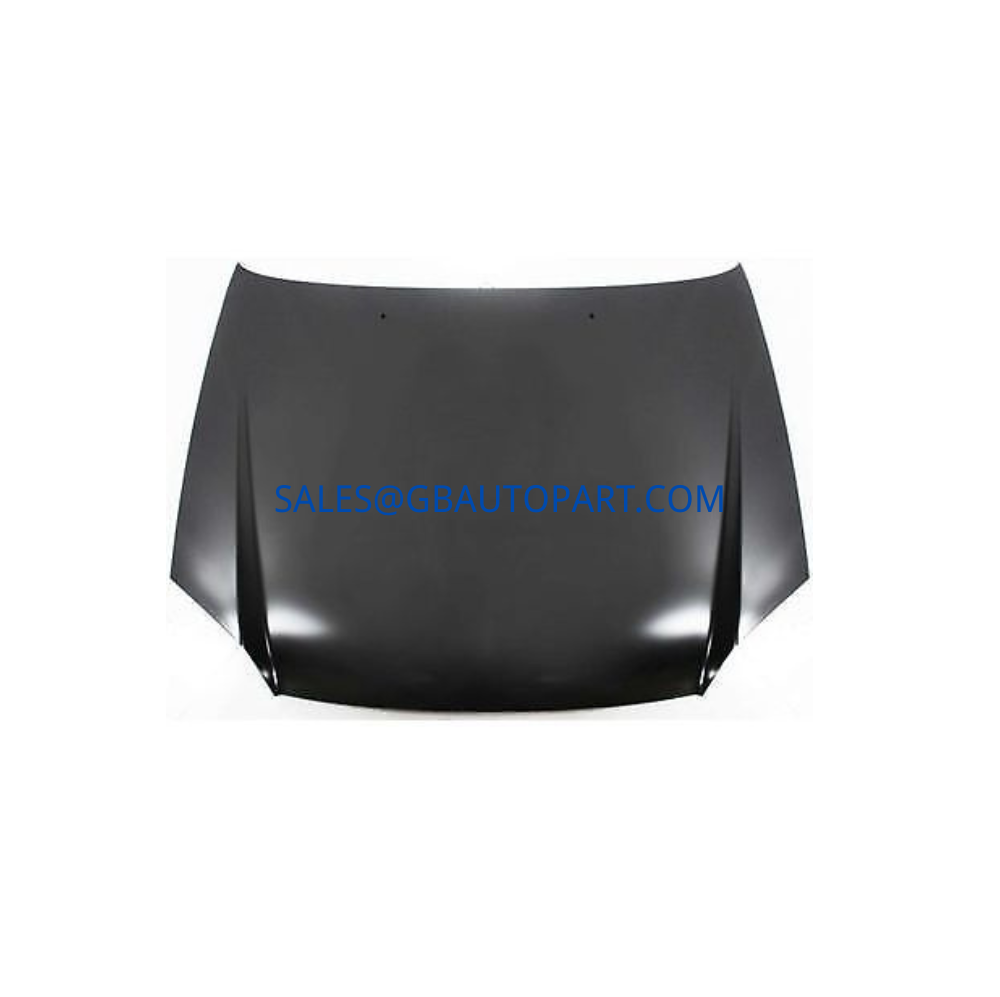
The 66400-H6000 hood is the original equipment manufacturer (OEM) replacement part designed for Hyundai Accent sedans and hatchbacks. It is crafted from high-grade steel and treated with anti-corrosion coatings, matching factory specifications for dimensions and mounting points. This ensures that all underlying components—such as hinges, latch mechanisms, and weatherstrips—align precisely without requiring modifications.
Compatibility and Model Years
- Compatible Models: Hyundai Accent (MC) produced between 2006–2011
- Engine Options: 1.6L Gamma GDI and 1.6L Alpha MPI engines
- Body Styles: 4-door sedan and 5-door hatchback
- OEM Part Number: 66400-H6000
For owners of earlier or later Accent generations, confirm part compatibility by checking vehicle identification numbers (VIN) or consulting a Hyundai parts catalog.
Key Features and Benefits of 66400-H6000
OEM-Grade Fit and Finish
One of the primary advantages of the 66400-H6000 hood is its exact match to factory dimensions. This ensures that:
- Hinge Alignment remains intact, preventing uneven gaps between the hood and fenders.
- Latch Mechanism engages smoothly without requiring latch adjustments.
- Weatherstrip Sealing is uniform along the entire edge, minimizing water intrusion and wind noise.
By using an OEM-specified hood, body shop technicians and DIY enthusiasts avoid costly filler work or misalignment issues common with generic aftermarket panels.
High-Strength Steel Construction
Constructed from cold-rolled steel, the 66400-H6000 hood exhibits:
- Enhanced Structural Rigidity: Providing protection during minor front-end impacts while maintaining crumple zone performance.
- Lightweight Design: At approximately 10 kg, the hood balances strength with minimal added weight—important for vehicle handling and fuel efficiency.
- Corrosion Resistance: A multi-stage coating—zinc phosphate undercoating followed by electrostatic paint—prevents rust formation even in humid or salty environments.
This combination of durability and weight savings ensures the hood functions reliably for many years without adding excessive load on the hood struts or front suspension.
Corrosion-Resistant Paint Finish
The 66400-H6000 hood arrives pre-painted in Hyundai’s standard color codes or as a primed blank for custom painting. Key aspects include:
- Electrostatic Powder Coat Primer: Ensures uniform paint adhesion and resistance to chipping.
- High-Quality Base Coat/Clear Coat System: Provides UV protection to prevent fading, even under prolonged sun exposure.
- Uniform Thickness: Body shops can blend the new hood’s finish with adjacent panels, maintaining a seamless aesthetic.
When purchasing a primed hood, selecting an experienced painter for correct color matching is essential to avoid visible mismatches.
Safety and Impact Performance
Although the primary function of a hood is covering the engine bay, modern hoods also play a role in pedestrian safety. The 66400-H6000 hood has been engineered to:
- Absorb Impact: Crumple strategically under specific loads to reduce the severity of pedestrian head injuries.
- Release Mechanisms: In the event of severe front-end collisions, hood latches are designed to break away or deform, allowing airbag deployment without obstruction.
These safety considerations ensure that replacing a damaged hood with the OEM-approved 66400-H6000 maintains the vehicle’s crashworthiness to original specifications.
Material and Manufacturing Process
Cold-Rolled Steel Selection
The 66400-H6000 hood is stamped from high-quality cold-rolled steel (CRS) grades, typically 0.8–1.0 mm thickness. CRS offers:
- Dimensional Stability: The steel maintains precise gauges during stamping, ensuring uniform panel geometry.
- Formability: CRS can be formed into complex shapes without creating springback, enabling hood contours that match Hyundai Accent’s aerodynamic styling.
- Strength-to-Weight Ratio: Provides structural integrity while minimizing additional mass.
After stamping, the panels undergo a series of forming operations, trimming, and welding to attach inner support structures—known as the hood inner skeleton—that reinforce rigidity and resist torsional flex during normal driving.
Anti-Corrosion Treatments
To combat rust—especially in wet or saline climates—the hood’s surface is processed through:
- Phosphate Coating: Immersion in a zinc phosphate solution creates a microcrystalline layer that promotes adhesion of paint and prevents direct steel exposure.
- Electrostatic Primer Application: A zinc-rich epoxy primer is applied in an electrostatic spray booth, ensuring even coverage even in recessed areas.
- E-Coat (Electrodeposition Coating): The primed panel is submerged in a water-based paint bath, where a small electrical charge attracts paint particles to the entire surface—achieving complete protection.
- Base Coat and Clear Coat Painting: Final color and glossy finish are applied in separate stages to achieve customer-ready appearance.
Together, these processes yield a hood that resists stone chips, salt spray, and UV degradation for 5–7 years of typical driving conditions.
Quality Control Measures
During manufacturing, the 66400-H6000 hood passes through multiple quality checkpoints:
- Dimensional Inspection: Using laser scanners or optical comparators, critical dimensions (hood length, width, hinge pin locations) are verified within ±0.5 mm tolerances.
- Surface Finish Inspection: Automated vision systems detect paint defects—such as sags, orange peel, or overspray—ensuring a glossy, defect-free finish.
- Structural Integrity Testing: A sample of hoods is subjected to a strict flatness test and flexural load test, confirming the inner skeleton provides required rigidity.
Collectively, these inspection steps guarantee every hood meets Hyundai’s stringent fit, finish, and performance standards.
Benefits of Replacing with 66400-H6000 Hood
Restored Vehicle Integrity
A properly aligned OEM hood reestablishes front-end structural integrity, which is essential for:
- Crash Performance: Ensuring airbag sensors and crumple zones function as designed.
- Aerodynamics: Preventing wind noise and improving fuel efficiency by maintaining factory-engineered panel gaps.
Replacing a damaged hood with 66400-H6000 restores these characteristics, preserving driver and passenger safety.
Enhanced Aesthetic Appeal
Even minor dents or scratches can diminish a vehicle’s resale value. Installing a new 66400-H6000 hood ensures:
- Uniform Panel Gaps: A factory-fit hood aligns seamlessly with fenders and grille, avoiding unsightly misalignment.
- Perfect Paint Match: When painted to the correct Hyundai color code, the new hood blends with existing panels—eliminating the patched or two-tone appearance common with used or aftermarket hoods.
For owners planning to sell or trade in their Accent, this attention to detail can increase resale value by hundreds of dollars.
Longevity and Peace of Mind
An OEM 66400-H6000 hood carries a manufacturer’s warranty—often 12 months or 12,000 miles—covering paint defects and corrosion perforation. In contrast, many low-cost aftermarket hoods:
- Lack Responsible Warranties: Leading to potential disputes when quality issues arise.
- Use Substandard Materials: Which can rust prematurely, requiring another costly replacement.
Investing in a properly manufactured 66400-H6000 hood means fewer unexpected repairs down the road.
Installation Guide
Tools and Materials Required
- Safety Equipment: Gloves, eye protection, and closed-toe footwear
- Basic Hand Tools: Ratchet set (8–14 mm), box wrenches, screwdrivers
- Torque Wrench: To tighten bolts to factory-specified values (≈20 Nm for hood hinge nuts)
- Hood Prop or Assistant: Prevents accidental dropping during alignment
- Touch-Up Paint Kit: For minor nicks post-installation (optional)
Optionally, have a helper hold the hood in place during alignment to avoid surface scratches or misalignment.
Step-by-Step Replacement Procedure
- Preparation
- Park the vehicle on a level surface and engage the parking brake.
- Open the existing hood and secure it with the hood prop rod.
- Disconnect the hood latch cable from the latch mechanism by gently pulling back on the cable retainer clip and sliding it off.
- Remove Old Hood
- Support the underside of the hood with a second prop or have a helper hold it.
- Using a 12 mm socket, remove the two hinge bolts on each side (four bolts total).
- Carefully lift the hood straight up to disengage hinge pins; place it aside on a soft blanket or padded surface to avoid dents.
- Inspect Hinges and Components
- Check hinge brackets and latch assembly for damage or rust.
- Lubricate hinge pivot points with a high-temperature grease (e.g., lithium complex) to ensure smooth operation.
- Install 66400-H6000 Hood
- Position the new 66400-H6000 hood onto the hinge pins carefully, ensuring a flush fit without binding.
- Hand-thread hinge bolts on each side to hold the hood in place.
- Adjust hood position—centering the front edge with the grille—and verify equal gaps on both sides.
- Tighten hinge bolts in stages: first snug (≈10 Nm), re-check alignment, then torque to 20 Nm.
- Reconnect and Adjust Hood Latch
- Reattach the hood latch cable to the latch assembly.
- Close the hood slowly until it lightly engages the latch. If the hood sits too high or low, adjust the latch striker:
- Loosen striker bolts with a 10 mm socket; shift striker 1–2 mm upward or downward; retighten and test latch engagement.
- Ensure the hood release lever within the cabin operates smoothly and fully unlatches the hood.
- Final Fitment Check
- Close the hood firmly to “seat” the striker; open and close it multiple times to confirm consistent engagement and smooth operation.
- Inspect panel gaps: The gap between hood and fender should measure 2.5–3.5 mm on each side; front hood edge to grille should be 3–5 mm.
- Verify weatherstrip compression: Ensure uniform contact along the cowl at the windshield base to prevent leaks.
Completing these steps with care ensures that the 66400-H6000 hood aligns precisely, minimizes rattles, and seals against elements.
Maintenance Best Practices
Regular Cleaning and Inspection
- Washing: Rinse the hood with a gentle car wash soap and soft microfiber cloth to remove road grime, bird droppings, and salt deposits.
- Waxing: Apply a quality automotive wax every 3–4 months to protect the clear coat from UV rays; this prevents premature paint oxidation.
- Inspect for Chips and Scratches: Immediately touch up any stone-chip damage with OEM-matching paint to prevent rust formation on the steel substrate.
Consistent cleaning prevents environmental contaminants from compromising the hood’s protective coatings.
Rust Prevention
Although the 66400-H6000 hood is coated, any exposed steel—such as at the edges or mounting points—can rust over time. To mitigate:
- Apply Rust-Inhibiting Primer: At bolt holes and cut edges, use a zinc-rich primer before applying finish paint.
- Seal Seams: If the hood experiences minor dents that break paint, seal those areas with a seam sealer to block moisture entry.
- Undercoating: Inspect the underside of the hood; if the zinc phosphate primer is compromised, reapply a rustproofing undercoating periodically.
These steps ensure the hood’s lifespan extends well beyond typical service intervals.
Hood Strut and Hinge Maintenance
- Hood Struts: Though many Hyundai Accent models lack gas-charged hood struts, aftermarket strut assemblies can be installed to hold the hood open. Check for oil seepage or loss of pressure every 6 months and replace defective struts that fail to hold the hood securely.
- Hinge Lubrication: Spray a light-penetrating oil (e.g., WD-40) on hinge pivots annually to prevent squeaks and ensure smooth opening. Wipe off excess oil to avoid attracting dirt.
Proper care of supporting components keeps the hood functioning smoothly and prevents premature hinge wear.
Comparison: 66400-H6000 vs. Aftermarket Hoods
Build Quality and Fitment
| Aspect | 66400-H6000 (OEM) | Generic Aftermarket Hood |
|---|---|---|
| Panel Thickness | Factory-specified CRS, 0.8–1.0 mm | Varies—often 0.7–0.9 mm |
| Coating Process | Multi-stage e-coat, primer, base, clear | Single-stage primer or subpar paint |
| Dimensional Tolerance | ±0.5 mm | ±1.5 mm or more |
| Hinge Mount Points | Pre-drilled to exact OEM locations | Often requires shimming or drilling |
| Warranty | 12 months / 12,000 miles | 6 months / limited mileage |
| Color Matching | Exact Hyundai factory codes | Limited color options, may require respray |
While generic aftermarket hoods may cost 20–30% less, they often sacrifice long-term durability and fitment accuracy. For those prioritizing hassle-free installation and factory integrity, the 66400-H6000 OEM hood is the recommended choice.
Cost-Effectiveness
When calculating total cost of ownership, consider:
- Initial Purchase Price: Aftermarket options might retail at $150-$200, whereas the 66400-H6000 typically costs $250-$350 (depending on vendor and shipping).
- Installation Labor: Extra time spent adjusting an ill-fitting aftermarket hood can add $50-$100 in labor costs.
- Resale Value Impact: A vehicle with an OEM hood fetches higher resale value—often $150-$300 more—compared to one with a visibly mismatched or poorly fitting panel.
- Longevity: OEM hoods maintain corrosion resistance and paint integrity longer, avoiding earlier replacement needs.
Thus, although the 66400-H6000 carries a higher upfront cost, its precise fit, durability, and OEM warranty deliver superior long-term value.
Selecting the Right 66400-H6000 Hood Supplier
Authorized Dealers vs. Online Marketplaces
- Authorized Hyundai Dealers: Provide genuine OEM hoods with guaranteed authenticity, VIN verification, and factory warranty. However, retail pricing at dealerships is typically at the higher end—$300+.
- Reputable Aftermarket Retailers: Many specialize in OEM-equivalent parts, often at 10–15% below dealer cost. Look for vendors with:
- Verified customer reviews
- Clear return policies (e.g., 30-day return upon unused condition)
- Proper part verification tools (by VIN or year/model specifics)
Popular platforms like Parts.com or RockAuto frequently carry the 66400-H6000 at competitive pricing, backed by parts-specific support and expedited shipping options.
Verifying Part Authenticity
When purchasing, confirm:
- OEM Markings: The part should bear Hyundai part numbers—often laser-etched on the inner skirt of the hood—alongside manufacturer logo.
- Packaging: Genuine OEM hoods come in branded packaging with part labels indicating production date, paint code compatibility, and country of manufacture.
- Vendor Certification: Check if the seller is an authorized distributor by Hyundai; avoid unbranded or generic listings that lack these credentials.
By verifying authenticity, buyers avoid counterfeit or misrepresented panels that can lead to poor fitment and rapid deterioration.
Future Trends in Automotive Hood Manufacturing
Lightweight Materials and Composite Hoods
While the 66400-H6000 is steel-based, the industry is exploring:
- Aluminum Hoods: Offer weight savings (≈40% lighter than steel) and improved corrosion resistance but often cost 25–30% more.
- Carbon Fiber Reinforced Polymer (CFRP): Ultra-light and high-strength, though extreme cost limits them to performance or luxury vehicles.
- Hybrid Steel-Aluminum Designs: Steel inner structure with aluminum or composite outer panels—balancing cost and weight savings.
Such advancements may eventually influence replacement hood options. However, for mass-market models like the Hyundai Accent, steel OEM hoods remain the standard due to cost-effectiveness and proven performance.
Advanced Coating Technologies
Emerging coating processes aim to enhance durability:
- Nano-Ceramic Coatings: Applied post-paint, these form an ultra-hard layer that resists scratches and environmental damage better than conventional clear coats.
- Self-Healing Paints: Incorporate microcapsules that release clear coat resin when scratched, reducing the need for touch-up work.
- Corrosion-Proof Undercoats: New zinc-aluminum alloys in e-coat primers that resist salt spray for 1,000+ hours—double that of current standards.
While these technologies are not yet standard for replacement hoods, they point to future enhancements that could extend the life of parts like the 66400-H6000.
Conclusion
The 66400-H6000 hood for Hyundai Accent represents a critical component for maintaining vehicle safety, appearance, and performance. By adhering to OEM specifications—including exact fit, high-strength steel construction, and corrosion-resistant coatings—this hood ensures reliable operation and long-term durability. Whether replacing a damaged panel after a collision or upgrading for aesthetic purposes, choosing the 66400-H6000 delivers unmatched alignment, precise panel gaps, and factory-matched paint compatibility. For automotive parts users and industrial model enthusiasts, understanding the features, installation tips, and maintenance best practices outlined in this article will help maximize return on investment, reduce downtime, and preserve vehicle value.
FAQ
Q1: How do I confirm that “66400-H6000” fits my Hyundai Accent?
A1: Check your vehicle’s VIN or year/model details in a Hyundai parts catalog. The 66400-H6000 hood is compatible with 2006–2011 Accent (MC) sedans and hatchbacks equipped with 1.6L engines.
Q2: Can I paint the “66400-H6000” hood myself?
A2: Yes, when purchased as a primed panel, the hood can be painted using a factory-matched color code. For best results, use professional automotive paint equipment to achieve proper color blending and clear coat application.
Q3: How long does installation of “66400-H6000” take?
A3: A skilled technician can remove the old hood and install the new one—including alignment and latch adjustment—in approximately 1.5–2 hours under normal conditions. DIY installation may take longer depending on experience.
Q4: What is the warranty for “66400-H6000” hood?
A4: When purchased from an authorized dealer, the 66400-H6000 hood typically carries a 12-month or 12,000-mile warranty covering defects in materials and workmanship. Verify with your vendor for precise terms.
Q5: How do I prevent rust underneath the hood?
A5: Regularly wash and wax the hood surface, inspect edges for paint chips, and apply touch-up paint as needed. Additionally, keep the underside clean and apply rust inhibitor or undercoating if any protective coating is compromised.