


As an automotive electrical consultant, I often hear the same question from worried drivers. They want to know the exact timeline for their vehicle’s power source. In my professional experience, an alternator is a robust component designed for longevity. However, it is not immortal. Most experts and manufacturers agree that a typical car alternator should last between 7 and 10 years. If you prefer measuring by distance, you can expect a lifespan of 100,000 to 150,000 miles under normal conditions. Knowing how long should a car alternator last helps you plan maintenance before a breakdown occurs. In this guide, I will break down the variables that dictate your alternator’s survival in the real world.
Average Lifespan and Industry Expectations
The alternator is the heart of your car’s charging system. It converts mechanical energy from the engine into electrical power. This power charges the battery and runs all electrical accessories. Because it has internal moving parts, wear is inevitable over time.
Mileage vs. Age Expectations
While age is a factor, mileage usually tells a more accurate story. Most modern units are built to withstand at least 100,000 miles of operation. Some high-quality OEM parts can even push past the 150,000-mile mark. If you drive less frequently, the seals and bearings might still degrade due to environmental exposure.
Technological Advancements in Charging Systems
Modern vehicles use sophisticated voltage regulators and higher-efficiency designs. These improvements have actually extended the baseline of how long should a car alternator last. Compared to units from the 1990s, today’s alternators handle much higher electrical loads. This increased efficiency reduces thermal stress, which is the primary enemy of electrical components.

Factors Influencing Alternator Longevity
Not every alternator reaches its ten-year goal. Several external and internal factors can cut its life short. I have diagnosed units that failed at 50,000 miles due to poor conditions. Heat, excessive electrical demand, and fluid contamination are the leading causes of early alternator failure.
Environmental Impact and Heat Stress
Alternators are often tucked away in cramped, hot engine bays. High ambient temperatures can cause the internal copper windings and diodes to overheat. Excessive heat leads to insulation breakdown and electrical shorts. If you live in a desert climate, your alternator might fail sooner than average.
Fluid Leaks and Contamination
One of the most overlooked killers of alternators is the engine itself. Oil or coolant leaks from hoses positioned above the alternator can be devastating. When these fluids drip into the alternator housing, they attract dirt and grime. This buildup prevents proper cooling and causes internal components to gum up and fail.
Warning Signs of a Dying Alternator
You should not wait for your car to stall to investigate your charging system. Most alternators give subtle warnings before they completely stop functioning. Recognizing dimming headlights or a dashboard warning light can save you from an expensive towing bill.
The Dashboard Warning Indicator
The most obvious sign is the battery-shaped warning light on your instrument cluster. This light often illuminates when the system detects a voltage drop below a specific threshold. It does not always mean the battery is dead; it often means the alternator is no longer charging.
Strange Noises and Smells
Listen for growling or whining noises coming from the engine area. This often indicates a failing bearing inside the alternator. Furthermore, a smell of burning rubber or hot wires can signal that the drive belt is slipping. It could also mean the internal wiring is overheating due to high resistance.
Choosing the Right Replacement Hardware
When your alternator finally reaches the end of its life, choosing a quality replacement is vital. You must decide between new, remanufactured, or used units. In my professional opinion, new or high-quality remanufactured units provide the best long-term value.
How do you judge if a part is right for your vehicle? You should look for units that match your original manufacturer’s amperage and mounting specifications. Poorly made components might fit, but they often lack the durability to match the original unit’s lifespan.
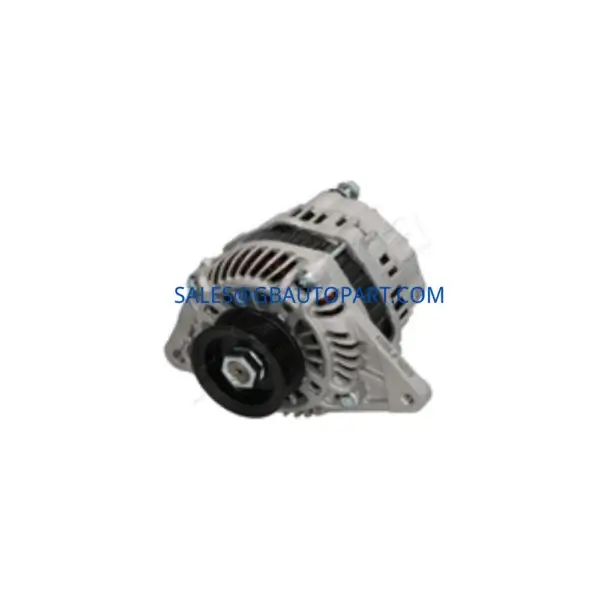
For those looking for professional-grade solutions, you can explore a wide range of alternator and starter motor options. These parts are engineered to meet rigorous electrical demands. Selecting the correct model ensures your electrical system remains stable for another decade.
For specific heavy-duty or specialized applications, precision matters. A part like the 3708010-NE02 alternator is a great example of a component designed for specific industrial standards. Investing in a high-quality replacement is the only way to reset the clock on your vehicle’s reliability.
Conclusion
Determining how long should a car alternator last involves looking at both age and mileage. The core conclusion is that most alternators provide 7 to 10 years or 100,000 to 150,000 miles of reliable service. To maximize this lifespan, you must keep the engine bay clean, fix fluid leaks promptly, and never ignore warning lights on your dashboard.
FAQ
1. Can a car battery cause an alternator to fail early?
Yes, a bad battery can strain the alternator. If the battery is weak, the alternator must work at maximum capacity constantly to keep it charged. This extra work generates excessive heat and wear. Replacing a dead battery quickly is essential for protecting your alternator.
2. Is it better to repair or replace an alternator?
In the past, rebuilding an alternator was common. Today, labor costs often make a full replacement more economical. Most modern units are not designed for easy field repairs. Choosing a new replacement usually provides a better warranty and longer service life.
3. Does driving in heavy traffic affect alternator life?
Yes, it can. Constant idling provides less airflow for cooling the alternator. High electrical loads from air conditioning and fans during traffic jams increase the thermal load. Urban drivers may find their alternators lasting closer to the 7-year mark rather than 10.
4. How can I test my alternator at home?
You can use a simple multimeter to check the battery voltage while the engine is running. A healthy alternator should produce between 13.5 and 14.5 volts. If your reading is below 13 volts, your alternator is likely struggling to meet the car’s power needs.
5. Why do some alternators fail immediately after a jump-start?
Jump-starting puts a massive electrical surge through the system. If the alternator was already weak, this surge could blow the internal diodes. Always ensure connections are secure and follow proper procedures to avoid damaging the charging system components.
Reference Sources
National Highway Traffic Safety Administration (NHTSA) – Vehicle Maintenance and Safety