


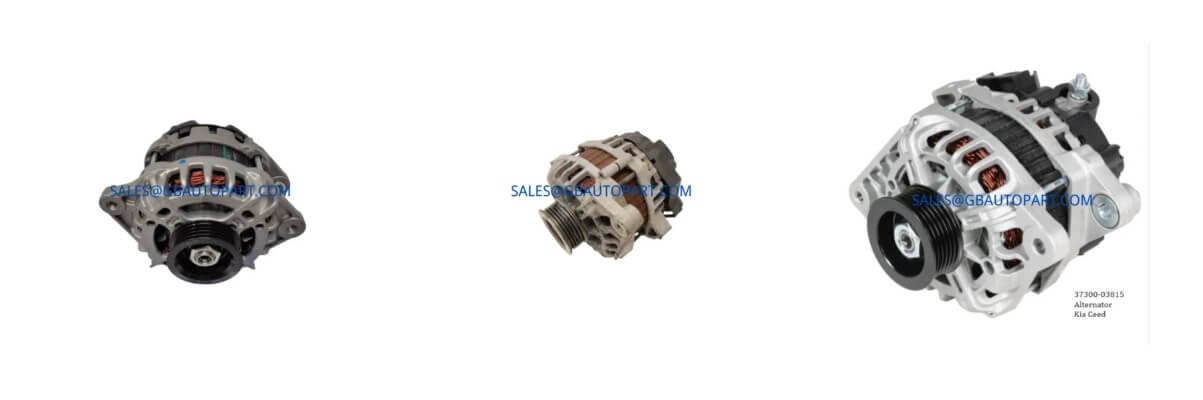
I have spent decades troubleshooting automotive electrical systems for both private drivers and commercial fleets. One of the most frequent questions I receive is about recovery time after a jump-start. Drivers want to know how fast does a car alternator charge the battery so they do not get stranded again. There is no single universal answer because several variables impact the charging process. However, understanding the mechanics of your charging system can save you significant time. This guide explores the technical realities of automotive power restoration.
Determining the Charging Capacity of an Alternator
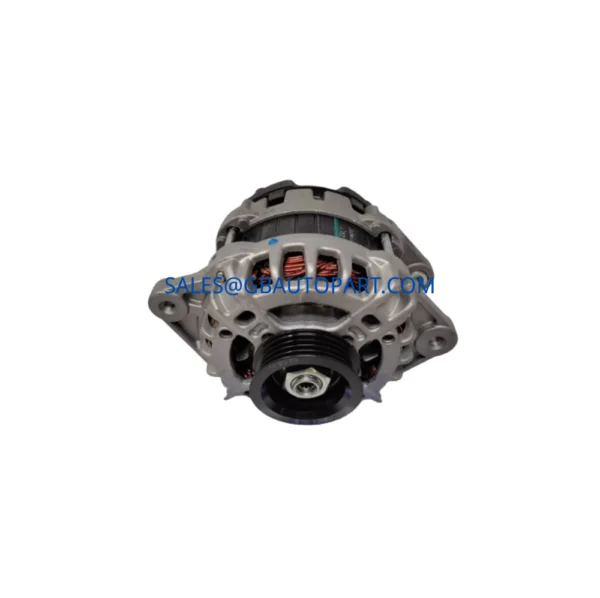
An alternator is primarily designed to maintain the battery and run the car’s electronics. It is not necessarily built to be a high-speed charger for a completely dead unit. The charging speed depends heavily on the alternator’s rated amperage and the current battery state.
The Role of Engine Rotations Per Minute
The alternator’s output is directly linked to the engine’s speed. At idle, an alternator might only produce 40% to 50% of its maximum rated current. Driving at highway speeds allows the alternator to reach peak output, which significantly shortens the recharge time. This is why idling in a driveway is an inefficient way to restore a battery.
Impact of Modern Alternator Design
Modern vehicles utilize high-output alternators to handle complex onboard computers and entertainment systems. Older vehicles usually have lower-amperage units that struggle with deep recharges. According to industry standards from organizations like SAE International, modern units are much more efficient at lower speeds. However, even a high-output unit needs time to push energy back into a chemical lead-acid battery safely.
Typical Timeframes for a Battery Recharge
If your battery is only slightly discharged, a short drive might suffice. For a battery that required a jump-start, the timeline is much longer. You must consider both the driving duration and the speed of the vehicle.
The 30-Minute Driving Rule
Many mechanics suggest driving for at least 30 minutes after a jump-start. This duration is usually enough to provide one or two additional starts. Reaching a 100% state of charge for a heavily depleted battery often requires at least two hours of continuous driving. Shorter trips may leave the battery in a partially discharged state, leading to eventual failure.
Chemical Limitations of Lead-Acid Batteries
Lead-acid batteries cannot be “fast-charged” to 100% capacity due to internal resistance. The charging rate slows down significantly once the battery reaches 80% capacity. This is a safety feature to prevent the battery from overheating or off-gassing. Therefore, the final 20% of the charge takes much longer than the initial 80% burst.
Electrical Load and Its Effect on Charging Speed
Your car’s electronics compete for the power produced by the alternator. The more accessories you use, the less current is available for the battery. This is a common oversight when drivers try to recharge their vehicles.
Managing Active Electrical Loads
High-beam headlights, seat heaters, and infotainment systems consume significant amperage. If these systems are on, the alternator must prioritize them over the battery. Turning off non-essential electronics during a recharge cycle allows more current to flow directly into the battery. This practice is especially important if you are driving at low city speeds.
The Problem of Parasitic Draw
In some cases, a battery fails to charge because of a parasitic draw. This happens when a component stays on after the engine is turned off. If the draw is high enough, it may neutralize the charging gains made during a short drive. Identifying and fixing electrical leaks is vital for ensuring your alternator can do its job effectively.
Choosing High-Quality Components for System Reliability
Understanding how fast does a car alternator charge the battery helps you realize when your hardware is failing. If your battery takes hours to charge but dies overnight, the problem might be the alternator itself. Not all alternators are built to the same durability standards.
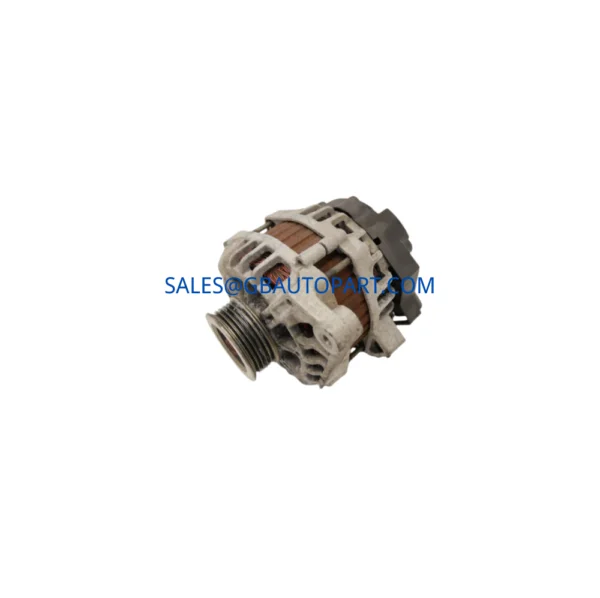
Selecting the right hardware is a critical “judgment standard” for vehicle longevity. I recommend using components that meet or exceed original equipment manufacturer (OEM) specifications. You can find a wide selection of reliable units by browsing a professional alternator and starter motor catalog. These parts are engineered to provide stable current even under extreme thermal stress.
A high-quality alternator ensures that your battery stays at peak health. Cheap, unverified parts often fail to provide the rated amperage at lower RPMs. Investing in a premium alternator protects your battery and prevents the frustration of recurring dead starts.
Conclusion
Determining how fast does a car alternator charge the battery depends on your driving speed and the vehicle’s electrical load. A standard alternator typically requires 30 minutes of driving for a basic start and up to two hours for a full recharge. By minimizing electrical use and maintaining highway speeds, you can optimize the charging efficiency of your vehicle.
FAQ
1. Does idling the car charge the battery as fast as driving?
No, idling is significantly slower than driving. The alternator spins much faster at higher engine RPMs. Driving at highway speeds is the fastest way for an alternator to charge a battery because it maximizes the current output.
2. Can a car alternator fully charge a completely dead battery?
An alternator can eventually charge a dead battery, but it is not ideal. It puts immense strain on the alternator’s internal diodes. Using a dedicated plug-in battery charger is much safer and more effective for a completely flat battery.
3. Why does my battery still die after a long drive?
This could indicate that your battery is no longer able to hold a charge. It could also mean the alternator’s voltage regulator is failing. If the alternator cannot maintain 13.5 to 14.5 volts while the engine is running, it will not charge the battery correctly.
4. Does cold weather affect how fast the battery charges?
Yes, chemical reactions inside the battery slow down in cold temperatures. The battery’s internal resistance increases, making it harder to accept a charge. In winter, you may need to drive for a longer duration to achieve the same level of charge as in summer.
5. How many amps does an alternator send to the battery?
This varies based on the battery’s state and the alternator’s regulator. Usually, it starts high (20-50 amps) and tapers off as the battery fills. The alternator manages this flow automatically to prevent the battery from exploding or leaking acid.
Reference Sources
SAE International – Surface Vehicle Standards for Charging Systems
NHTSA – Vehicle Maintenance and Electrical Safety
Battery Council International – Standardized Battery Testing and Charging
Encyclopaedia Britannica – Storage Battery and Charging Principles