


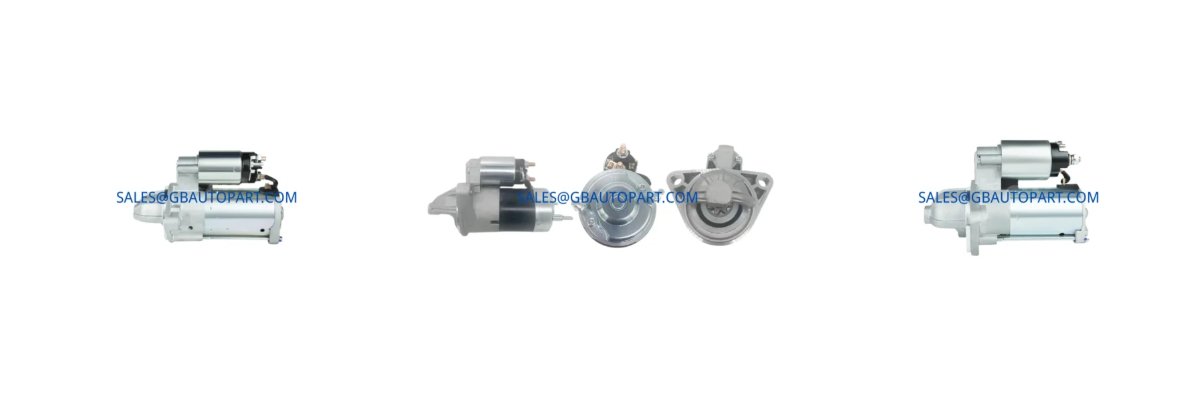
As an automotive electrical consultant, I have diagnosed countless charging system failures that stem from a simple misunderstanding of power ratings. The alternator is the primary source of electrical energy while your engine is running. If you are asking how many amps should a car alternator put out, the answer is deeply tied to your vehicle’s specific accessory load. Most modern passenger cars require an alternator that outputs between 60 and 150 amps to maintain a healthy battery and power all electronics. Failing to meet these requirements can lead to stalling, dim lights, and sensitive sensor errors. Understanding the balance between current production and consumption is the first step toward a reliable vehicle.
Deciphering Typical Car Alternator Output by Vehicle Category
Automotive electrical demands have changed drastically over the last few decades. In the past, vehicles were purely mechanical with very few electrical components. Today, every car is a rolling computer network requiring a higher typical car alternator output than ever before.
Standard Ratings for Everyday Commuters
A standard economy sedan usually operates with an alternator rated between 70 and 90 amps. This is sufficient to power the ignition, basic lighting, and an entry-level audio system. The rated amperage is the maximum current the unit can generate under ideal temperature and speed conditions. However, users should note that the car rarely uses the full 90 amps during normal daylight driving.
Demands for Luxury and Utility Vehicles
Luxury SUVs and heavy-duty trucks are a different story entirely. These vehicles feature heated seats, advanced navigation, and sophisticated climate control systems. Consequently, they often require 120 to 200 amps. Ensuring your alternator can handle the peak electrical load is critical for preventing premature battery wear. If you add aftermarket accessories like high-intensity lights, you may need an even higher rating.
Evaluating the Output of a Car Alternator and Wattage Capacity
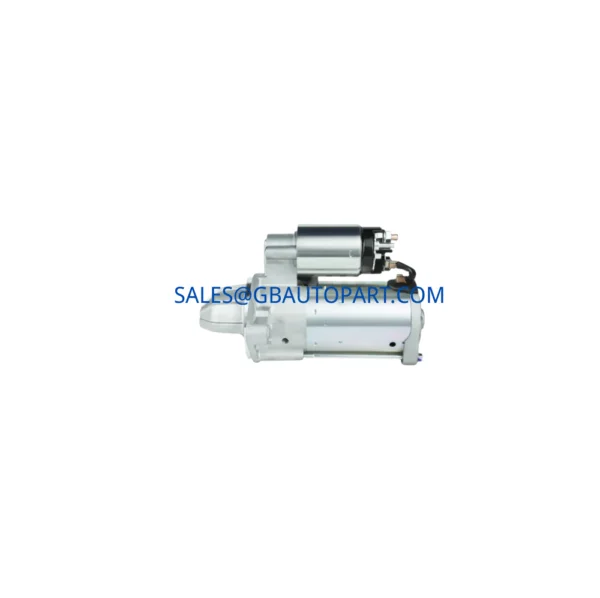
To get a complete picture of your power system, you must look at more than just the amperage. You need to calculate the car alternator wattage output to understand the total energy available for your car’s devices.
Using the Wattage Calculation Formula
The basic formula for electrical power is Watts = Amps x Volts. Since most car charging systems operate at roughly 14 volts, a 100-amp alternator delivers 1,400 watts of power. Calculating your total wattage capacity helps you determine if your vehicle can support additional high-draw electronics. If your total consumption exceeds this wattage, your battery will slowly drain even while driving.
The Critical Difference of Idle Amperage
One common mistake is assuming the output of car alternator units is constant. At an idle speed of 800 RPM, an alternator might only produce 40% of its rated capacity. For a 100-amp unit, this means only 40 amps are available while sitting in traffic. Insufficient amperage at idle is a frequent cause of flickering lights and slow power window operation in aging vehicles.
Identifying Insufficient Amperage and System Failure
Knowing how many amps should a car alternator put out is useless if you cannot recognize when the output drops. A failing unit will often provide just enough power to keep the engine running but not enough to charge the battery.
Monitoring Voltage Stability
A healthy charging system should maintain between 13.5 and 14.7 volts at the battery terminals. If the voltage drops below 13 volts while the engine is running, the alternator is failing to meet the demand. Consistently low voltage output leads to sulfation of the battery plates, which permanently reduces battery life. I always recommend using a digital multimeter for a quick on-site check.
Modern Diagnostic Warning Signs
Newer vehicles are equipped with sophisticated Power Distribution Modules. If the current is too low, the car’s computer may prioritize essential systems. You might notice that the air conditioning or the heated rear window refuses to turn on. These “smart” power-saving measures are often the first sign that your alternator is struggling to maintain its rated output.
Choosing a Replacement Unit for Long-Term Reliability
When it comes to replacing a faulty unit, the decision involves more than just matching the old part number. You must consider the quality of the internal components and the accuracy of the output rating. A cheaper, low-quality unit may not reach its advertised amperage under high heat.
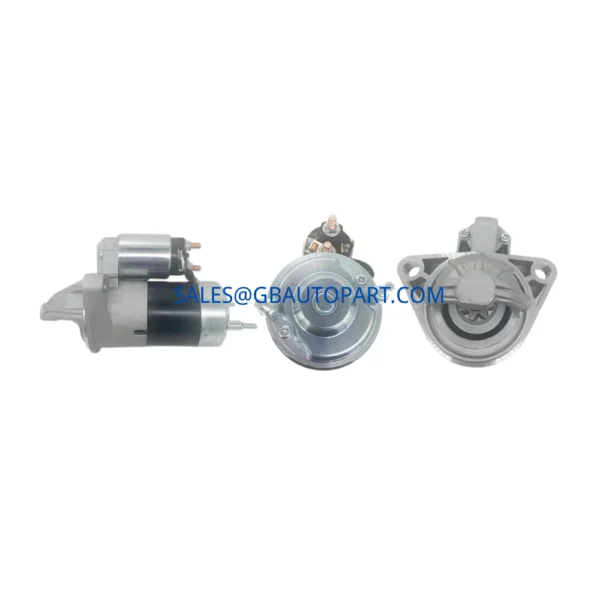
I advise sourcing components from specialized suppliers who understand industrial and automotive durability. For a wide selection of tested units, you can explore a professional alternator starter motor inventory. These products are engineered to handle the thermal stress of modern engine bays while maintaining a steady current flow.
If you are dealing with specific engine models, precision is non-negotiable. For instance, the 3708010-a11-3708010a11 model represents a specialized standard for certain automotive applications. Selecting an alternator that matches or exceeds the original OEM amperage ensures that your vehicle’s electronics remain stable for years to come.
Conclusion
Determining how many amps should a car alternator put out is essential for maintaining your vehicle’s health. A standard car requires 60 to 150 amps, and you must ensure the charging voltage stays between 13.5 and 14.7 volts for peak performance. By understanding your car’s wattage needs and idle output, you can make informed decisions about maintenance and upgrades to avoid being stranded.
FAQ
1. Can I upgrade to a higher amp alternator?
Yes, you can install an alternator with a higher amperage rating. The car will only pull the current it needs, so a higher rating won’t damage your electronics. A higher-amp alternator is actually beneficial because it runs cooler and provides a safety buffer for high-power accessories.
2. What happens if my alternator output is too low?
If the amperage is too low, your battery will not recharge properly. Over time, the car will rely on the battery to power the electronics, leading to a dead battery. Low alternator output can also cause the engine to misfire or the transmission to shift poorly due to weak electrical signals.
3. Does the size of the alternator relate to its amp output?
Generally, yes, as larger units have more internal copper windings and better cooling. However, modern high-efficiency designs can produce more power in a smaller package. Always check the stamped rating on the alternator housing rather than judging by its physical size.
4. How do I test the actual amp output of my alternator?
Testing amperage is more complex than testing voltage. You need a clamp-on ammeter that can measure DC current. While the engine is running and high-draw accessories are on, clamp the meter around the main alternator output cable to see the real-time production.
Reference Sources
ASE (Automotive Service Excellence) – Electrical Systems Diagnostic Guidelines
NHTSA – Vehicle Safety and Electrical Standards