


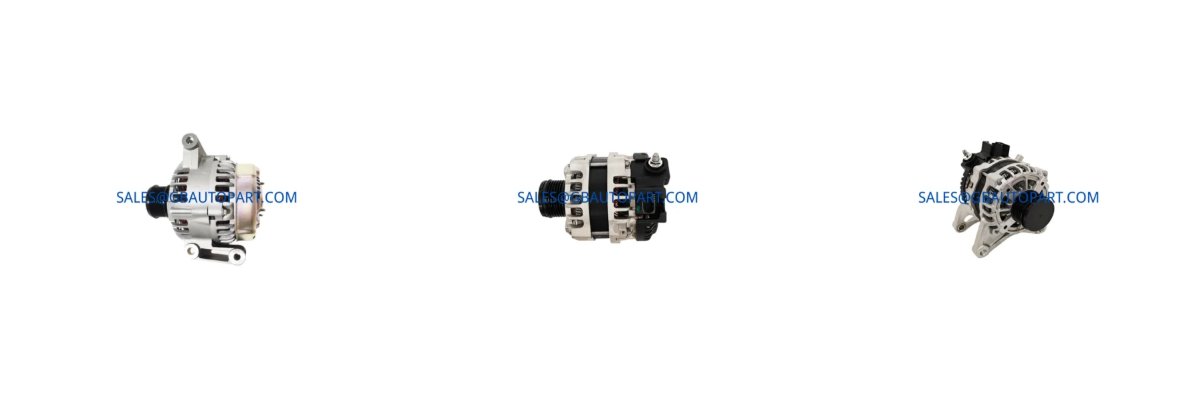
A dead battery often gets the blame when a car fails to start. However, the alternator is frequently the real culprit behind electrical failures. This component acts as your vehicle’s portable generator. It charges the battery and powers the electrical systems while the engine runs. When it begins to fail, your car loses its primary source of steady power. You might notice subtle flickers or sudden breakdowns. Understanding what are the symptoms of a bad car alternator can save you from expensive roadside towing fees. This guide identifies the specific warning signs you need to watch for today.
Common Visual and Audible Warning Signs
The first indicators of a failing alternator are often sensory. You might see things or hear sounds that seem slightly out of place. Your car communicates its mechanical distress through these early physical clues.
Dim or Overly Bright Headlights
One of the most frequent indicators involves your lighting system. You may notice your headlights dimming significantly while idling at a stoplight. Conversely, the lights might become unusually bright when you accelerate the engine. This inconsistency suggests the voltage regulator in the alternator is failing. It can no longer maintain a steady electrical output for the bulbs.
Unusual Noises from the Engine Bay
Alternators rely on internal bearings and a spinning rotor to generate power. If these bearings wear out, you will likely hear a high-pitched whining or grinding sound. The noise typically gets louder as the engine RPM increases. A misaligned pulley can also cause a squealing sound. Never ignore these mechanical noises, as they signal imminent hardware failure.
Burning Rubber or Hot Wire Smells
The alternator works alongside a drive belt to function correctly. If the belt is slipping or the alternator is overworking, you might smell burning rubber. Electrical malfunctions within the unit can also produce an odor similar to an electrical fire. These smells often indicate that the internal wiring is overheating. Stop driving immediately if you smell smoke or intense heat from under the hood.
Electrical Performance and Battery Issues
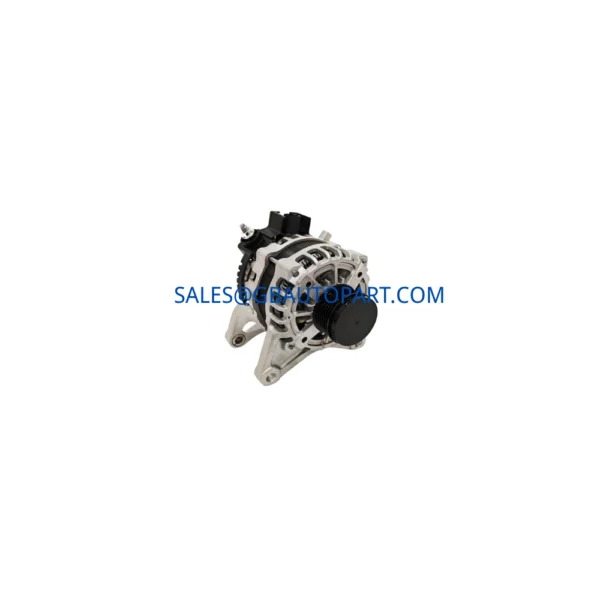
Since the alternator manages the electrical load, its failure impacts every electronic component. You might assume your battery is old, but a healthy battery cannot survive a failing alternator.
A Frequently Dead or Weak Battery
A primary role of the alternator is to recharge the battery during travel. If the alternator is weak, it cannot replenish the energy spent during startup. You might find yourself needing a jump-start every morning. While batteries eventually wear out, a new battery that dies quickly points directly to an alternator issue. What are the symptoms of a bad car alternator often start with this deceptive battery drain.
Slow or Malfunctioning Power Accessories
Modern vehicles are packed with power-hungry electronics like heated seats and windows. If the alternator provides insufficient current, these accessories will prioritize essential functions first. You might notice your power windows moving slower than usual. The dashboard screens may flicker or go dark momentarily. These “glitches” are often the car’s way of shedding non-essential electrical loads.
Dashboard Warning Lights and Gauges
Most vehicles feature a dedicated battery-shaped warning light on the dashboard. This light often triggers when the system detects a voltage drop below a specific threshold. Some cars use a “GEN” (generator) or “ALT” (alternator) light instead. If this light stays illuminated after the engine starts, your charging system is compromised. Inaccurate readings on the speedometer or tachometer can also indicate erratic electrical flow.

Operational Failures and Engine Behavior
Mechanical symptoms can eventually affect the drivability of the vehicle. If the electrical supply is interrupted, the engine itself cannot function smoothly.
Frequent Engine Stalling or Misfiring
The engine requires electricity to fire the spark plugs consistently. When the alternator fails, the spark plugs may not receive enough power to ignite the fuel. This results in a rough idle or sudden engine stalling while driving. If your car dies in traffic and refuses to restart, the alternator has likely failed completely. This is a critical safety concern that requires immediate professional inspection.
Difficulty Starting the Vehicle
A struggling alternator might provide just enough power to keep the car running but not enough to charge the battery. When you turn the key, you might hear a clicking sound or a very slow crank. This happens because the battery lacks the “cranking amps” needed for the starter motor. Monitoring these startup behaviors helps you catch the problem before total failure.
Choosing the Right Replacement Alternator
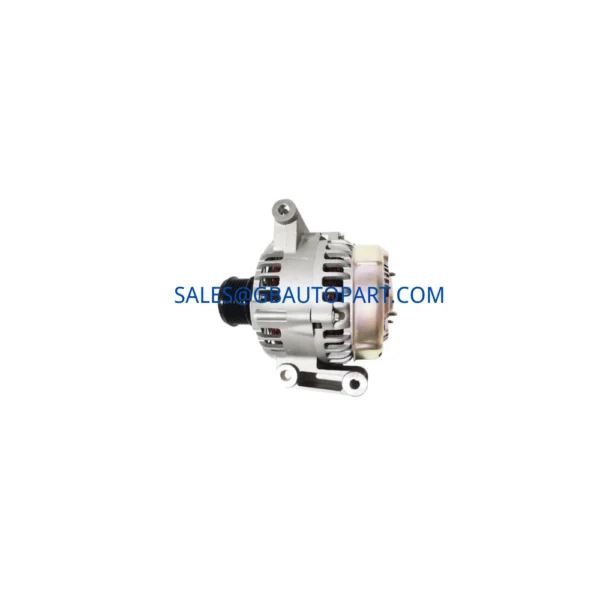
When you confirm your alternator is failing, selecting a high-quality replacement is vital. You must ensure the new unit matches your vehicle’s specific amperage requirements. Installing a part with the wrong specifications can lead to recurring electrical issues. Professional-grade components offer the reliability needed for modern, high-tech engines.
You should prioritize parts that meet or exceed original equipment standards. For example, if your vehicle requires a specific model like the 3701010-B04 alternator, using an exact match ensures seamless integration. Identifying the correct part number prevents compatibility errors during installation.
If you are unsure which unit fits your car, exploring a dedicated alternator and starter motor catalog is the best next step. Quality parts provide the stable voltage necessary to protect your car’s sensitive electronic control units. Investing in a reliable replacement ensures your battery stays charged and your lights stay bright for years to reach.
Summary
In summary, what are the symptoms of a bad car alternator range from dimming lights and odd noises to engine stalling and battery failure. If you notice electrical glitches or dashboard warning lights, the alternator is likely failing to provide sufficient power. Early detection allows you to replace the component before you are stranded with a dead vehicle.
FAQ
1.How can I tell if the problem is my battery or my alternator?
Start the car and jump-start it if necessary, then remove the jumper cables; if the engine dies shortly after, the alternator is likely failing to charge the system. If the car keeps running but won’t restart later, the battery is more likely the issue.
2.Can I drive my car with a bad alternator?
You should not drive with a bad alternator because the car will eventually lose all electrical power, causing the engine to stall. This can happen suddenly, potentially leaving you in a dangerous situation in traffic.
3.How long does a typical car alternator last?
Most alternators last between 80,000 and 150,000 miles, or roughly seven to ten years. However, factors like excessive heat, fluid leaks, or high electrical demand can shorten this lifespan significantly.
4.Will a bad alternator ruin a brand-new battery?
Yes, a failing alternator can ruin a new battery by either undercharging it, which leads to deep cycling, or overcharging it, which can cause internal damage. It is best to test both components simultaneously.
Reference Sources
AAA (American Automobile Association): “Symptoms of a Failing Alternator”
NAPA Auto Parts: “Signs Your Alternator Is Going Bad”
Consumer Reports: “Car Maintenance and Repair Guide”
Car and Driver: “How an Alternator Works and When It Fails”