


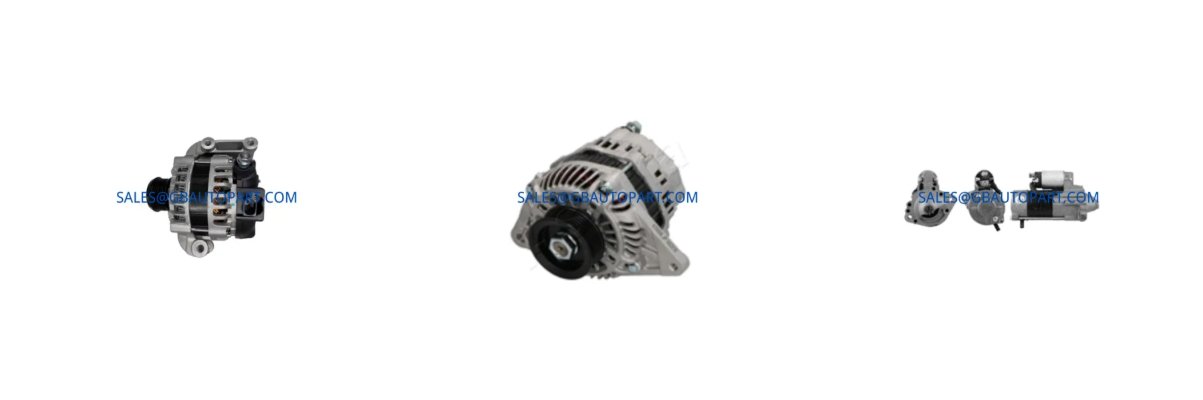
Every time you start your engine, your car alternator begins its vital work. It serves as the primary power plant for your vehicle’s electrical systems. I often see drivers struggle with electrical issues because they do not understand their car alternator amperage output.
Most modern vehicles require a specific amount of current to operate fuel pumps, ECUs, and headlights. If you add aftermarket accessories, you might exceed the factory car alternator output amps. This leads to battery drain and potential component failure.
In my experience, knowing your car alternator amps is the first step toward a reliable vehicle. This guide will help you identify your rating and understand why it matters. You will learn how to verify your system’s capacity and when to consider an upgrade.
Understanding Car Alternator Amperage Output
The car alternator amperage output represents the maximum electrical current the unit can produce. This rating is measured in amperes (amps) and varies based on the vehicle’s design. Manufacturers must follow standards like ISO 8854 to ensure these components meet specific performance benchmarks.
Standard passenger cars typically feature alternators rated between 60 and 120 amps. Larger SUVs or trucks often require 150 to 220 amps to support additional electronics. These ratings are calculated to cover the “base load” of the vehicle while charging the battery.
If your electrical demand exceeds the car alternator amps, the battery must bridge the gap. Constant reliance on the battery leads to premature wear and starting issues. Understanding this balance is critical for maintaining long-term vehicle reliability.
Why Amperage Ratings Vary Between Vehicles
Engineers determine the car alternator output amps based on the total electrical load. A compact car with manual windows requires far less power than a luxury sedan. Luxury vehicles feature heated seats, advanced infotainment, and complex sensor arrays that demand high current.
According to SAE International standards, electrical systems must maintain a positive charge balance during normal operation. This means the car alternator must produce more power than the vehicle consumes at cruising speeds. If you drive a heavy-duty vehicle, your output will naturally be higher.
The Relationship Between Heat and Output
Heat is the greatest enemy of electrical efficiency in any car alternator. As the unit gets hotter, its ability to produce maximum car alternator output amps decreases. This is known as “hot rating” vs. “cold rating” in the industry.
Most units lose about 10% to 20% of their capacity once they reach operating temperature. High-quality alternators are designed with superior cooling fans and heat sinks. These features help maintain stable car alternator amperage output even in stop-and-go traffic.

How to Determine Your Car Alternator Amps
Finding the exact car alternator amps for your specific vehicle is a straightforward process. Most manufacturers place a data tag directly on the alternator housing. This tag usually lists the part number, voltage, and the maximum amperage rating.
If the tag is missing or unreadable, you can use a VIN decoder or your owner’s manual. Many professional-grade parts catalogs also list the OEM car alternator output amps for specific trim levels. I recommend checking this before installing any power-hungry accessories.
Alternatively, you can use a high-quality multimeter or an inductive amp clamp. By measuring the current flowing from the alternator to the battery under load, you can see the real-world performance. This test reveals if your car alternator is still meeting its original specifications.
Identifying Information on the Alternator Housing
Look for a metal plate or a high-durability sticker on the back of the car alternator. You will often see a number followed by the letter “A,” such as “130A.” This indicates the unit is capable of 130 car alternator output amps.
If you only see a manufacturer part number, you can search for it online. Many aftermarket suppliers provide detailed spec sheets for these numbers. This is the most accurate way to verify your car alternator amperage output.
Calculating Your Current Electrical Load
You can estimate your needs by adding up the fuse ratings of your active circuits. However, most components do not draw their full fuse rating during normal use. Headlights typically pull 10-15 amps, while a blower motor might draw 20 amps.
Subtracting these totals from your car alternator amps tells you how much “headroom” you have. If your total load is 80 amps and you have a 90-amp alternator, you have very little margin. This is a common cause of flickering lights and slow window motors.
Factors Influencing Car Alternator Output Amps
It is important to remember that car alternator output amps are not constant. The output is directly tied to the speed at which the engine turns the alternator pulley. At idle, an alternator may only produce 40% to 60% of its maximum rated capacity.
The maximum car alternator amps are usually achieved at engine speeds above 2,500 RPM. This is why your lights might dim slightly when you are stopped at a red light. The system is momentarily relying on the battery because the alternator is spinning too slowly.
Environmental factors like ambient temperature also play a significant role. Cold air allows the internal copper windings to conduct electricity more efficiently. Conversely, extreme summer heat can throttle the car alternator amperage output significantly.
The Role of the Voltage Regulator
The voltage regulator is the “brain” that manages the car alternator output amps. It monitors the battery’s state of charge and the current electrical demand. It adjusts the field current to ensure the output stays within a safe range (usually 13.8V to 14.4V).
If the regulator fails, the car alternator might provide too much or too little power. Overcharging can “cook” your battery, while undercharging will leave you stranded. Modern vehicles often integrate this regulator into the Engine Control Module (ECM) for better precision.
Pulley Size and Alternator RPM
The ratio between the crankshaft pulley and the car alternator pulley determines its speed. Some high-output alternators use smaller pulleys to increase RPM at idle. This helps maintain a higher car alternator amperage output during low-speed driving.
However, spinning the unit too fast can lead to bearing failure or brush wear. Engineers carefully balance the pulley ratio to maximize car alternator amps without sacrificing longevity. Never change your pulley size without consulting a professional.
How to Choose the Right Alternator for Your Vehicle
When your current unit fails, choosing the correct replacement is essential for vehicle health. You must match or exceed the original car alternator amperage output to ensure system stability. Installing an alternator with lower car alternator output amps will lead to rapid battery failure.
If you have added off-road lighting or high-power winches, consider a high-output upgrade. Look for units that provide detailed performance curves showing output at idle. This ensures you have enough car alternator amps to support your gear even when the engine isn’t revving.
Reliability often comes down to the quality of the internal components, such as the diodes and bearings. High-quality replacements use heavy-duty materials that handle heat better than budget options. To find the best fit for your specific model, you should browse specialized catalogs.
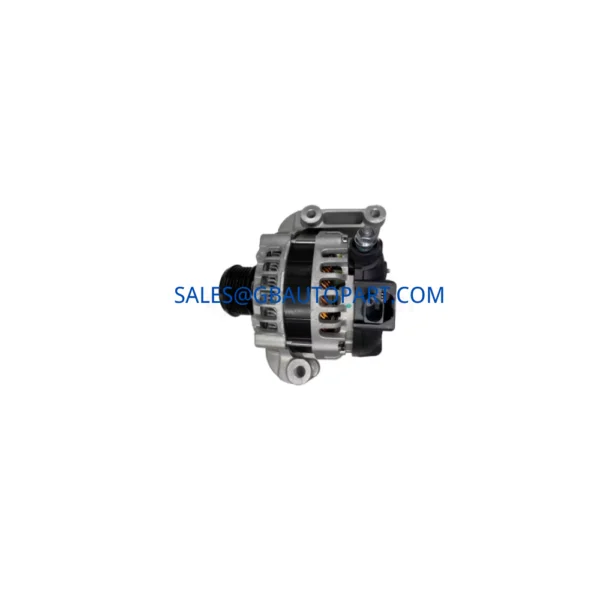
I suggest viewing the wide range of professional-grade options available at GB Autopart Alternator & Starter Collection. For example, if you drive a Mitsubishi Pajero or Triton, the 1800A007 Alternator offers a precise 12V 90A output designed for OEM compatibility. Selecting the right part ensures your electrical system remains robust and reliable.
Summary
The car alternator is responsible for powering all electronics and charging the battery. Most vehicles feature a car alternator amperage output between 60 and 150 amps. Always verify your specific car alternator output amps before adding accessories to avoid overloading the system and ensuring long-term vehicle reliability.
FAQ
1.How can I tell how many amps my car alternator has?
The easiest way is to check the label on the car alternator housing for a rating like “90A” or “120A.” You can also use your vehicle’s VIN to look up the original equipment manufacturer (OEM) specifications online.
2.Can I install an alternator with higher amperage?
Yes, you can usually install a car alternator with higher car alternator output amps than the original. The vehicle will only draw the current it needs, but the extra capacity provides a safety margin for accessories.
3.What happens if my car alternator amps are too low?
If the car alternator amperage output is lower than the vehicle’s demand, the battery will drain while you drive. This results in dimming lights, malfunctioning electronics, and eventually a stalled engine that won’t restart.
4.Does a higher amp alternator charge the battery faster?
A higher-rated car alternator can charge a heavily discharged battery faster up to the battery’s maximum absorption rate. However, its primary benefit is supporting more electrical components simultaneously without straining the system.
5.Does engine speed affect car alternator output?
Yes, car alternator output amps increase as the engine RPM increases. Most units only reach their full rated capacity at cruising speeds, while output is significantly lower when the engine is idling.
Reference Sources
Wikipedia: Alternator (Automotive)
SAE International: SAE J56 Electrical Generating System Capacity
AA1Car: Alternator Output and Testing
Victron Energy: Charging with an Alternator Guide