


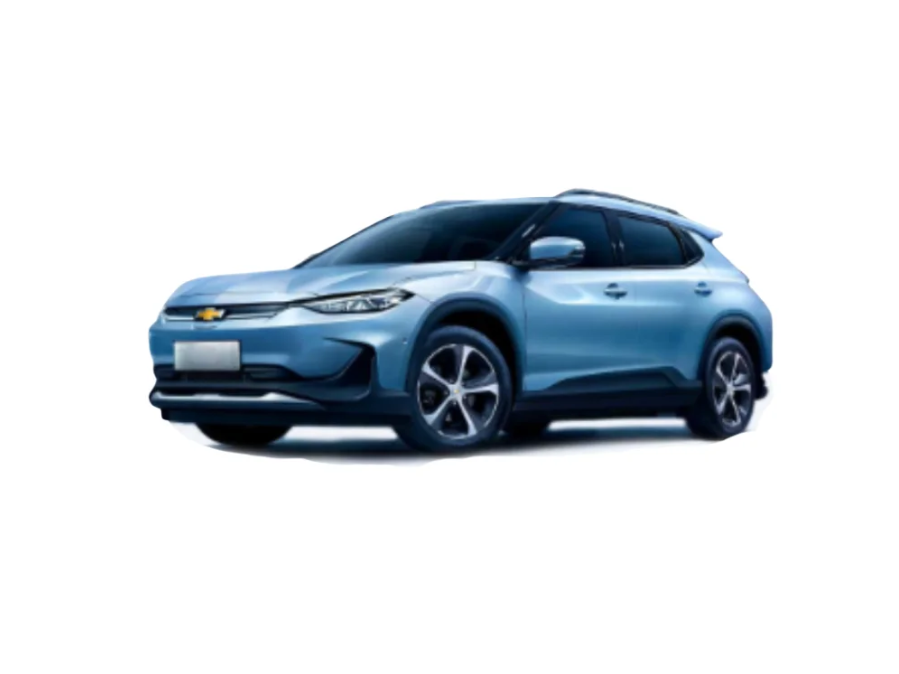
Introduction: Navigating the Electric Landscape with the Chevrolet Menlo EV
The automotive industry is undergoing a seismic shift, with electric vehicles (EVs) becoming increasingly prevalent. Among the notable contenders is the Chevrolet Menlo EV, an impressive all-electric compact crossover tailored for the urban commuter and eco-conscious driver. Introduced primarily for the Chinese market, this vehicle represents a crucial step in General Motors’ electrification strategy. For auto parts retailers, mechanics, and dedicated Menlo EV owners, understanding the nuances of its components is paramount. This comprehensive guide serves as an invaluable resource, delving into the essential parts, maintenance considerations, and potential performance upgrades specific to the Menlo EV, ensuring informed purchasing decisions and optimal vehicle longevity.
Understanding the Core Architecture of the Menlo EV
Unlike its internal combustion engine (ICE) counterparts, the Menlo EV operates on a fundamentally different platform. Its design heavily relies on the high-voltage battery system, the electric motor, and the associated power electronics. Therefore, the focus for component users shifts from traditional engine parts to specialized EV-specific systems.
The Electric Powertrain and Associated Components
The heart of the Menlo EV is its electric motor, typically a permanent magnet synchronous motor. While highly reliable, associated components require periodic checks and potential replacement. Notably, the motor’s cooling system—often liquid-based—is critical. The longevity and efficiency of the system depend on the quality of hoses, radiator (or heat exchanger), and coolant fluid designed for high-voltage environments. Consequently, the demand for high-grade thermal management system parts is steadily rising.
High-Voltage Battery System Maintenance
The battery pack, a defining feature of the Menlo EV, rarely requires consumer-level replacement, but its surrounding components are crucial. This includes the battery management system (BMS) sensors, cooling/heating elements, and importantly, the charging port components. Over time and extensive use, the charging inlet’s protective cap or internal pins might wear out, necessitating replacement to ensure safe and efficient charging. Furthermore, components like DC-DC converters, which step down the high voltage to run the vehicle’s standard 12V accessories, are essential electrical parts that an accessories user must be aware of.
Consumable and Wear-and-Tear Parts: Focus on EV Specifics
While many parts of an EV last longer than those in an ICE vehicle, certain components remain consumables or are subject to significant wear. Therefore, a parts professional must focus on these high-demand items.
Braking System: A Modified Focus
The Menlo EV, like most EVs, heavily utilizes regenerative braking, which reduces the physical wear on the traditional friction brakes (rotors, pads, and calipers). As a result, the service life of brake pads and rotors is significantly extended. Nevertheless, they are not immune to wear. It is crucial to use pads formulated specifically for EVs, which are often designed to resist corrosion (due to infrequent use) and provide silent operation. Specifically, caliper condition and brake fluid quality checks remain vital maintenance points.
Suspension and Steering: Handling the Extra Weight
EVs are inherently heavier due to the large battery pack. This increased mass places higher stress on the suspension components. For the Chevrolet Menlo EV, this translates to a greater demand for robust struts, shock absorbers, and coil springs. Consequently, when sourcing replacement parts, premium-quality components with enhanced durability and damping characteristics are highly recommended to maintain ride comfort and vehicle stability. Steering components, such as tie rods and ball joints, also require close attention to ensure the precise handling expected from a modern crossover.
Aftermarket Accessories and Performance Upgrades for the Menlo EV
| 26225439 | 26375839 | 26214611 | 26699013 |
| 26345001 | 26345002 | 26214618 | 26214612 |
| CLCML-0001 | 26270617 | 26270616 | 26214619 |
| 26230562 | 26230563 | 26298644 | 26307976 |
| 26299539 | 26262116 | 26230569 | 26296421 |
| 26239258 | 26301297 | 26301298 | 26230570 |
| 26325134 | 26325135 | 26222793 | 90923487 |
| 26292653 | 26292652 | 26230592 | 26222794 |
| 26267404 | 26215990 | 26313256 | 26312680 |
| 26268671 | 26268672 | 26393230 | 26215988 |
| 26313291 | 26313292 | 26676791 | 26393231 |
| 26379675 | 26379674 | 26379676 | 26283684 |
| 26350302 | 26676790 | 26284253 | 26331463 |
| 26396836 | 26286275 | 26382003 | 26314760 |
The accessories market for EVs, including the Menlo EV, is rapidly expanding beyond simple aesthetics to practical and performance-enhancing products. Auto component retailers should strategically stock these high-demand items.
Interior and Exterior Protection and Utility
For practical owners, floor mats, cargo liners, and seat covers tailored for the Menlo EV are essential protective accessories. Moreover, exterior protection like paint protection films (PPF) and customized mud flaps are popular additions. In the utility sector, the integration of specialized roof racks (ensuring minimal aerodynamic drag) and charging cable organizers are becoming standard offerings.
Wheel and Tire Considerations: Efficiency is Key
Tires are perhaps the most frequently replaced accessory. For the Menlo EV, the focus should be on low rolling resistance (LRR) tires. These tires are engineered to minimize energy loss, thereby maximizing the vehicle’s range. Hence, stocking high-quality, EV-specific LRR tires is a lucrative opportunity. Furthermore, light alloy wheels can contribute to a reduction in unsprung mass, indirectly benefiting the range and handling.
Component Sourcing and Quality Assurance
The safety and efficiency of the Menlo EV depend entirely on the quality of its parts. Therefore, when dealing with EV components, precision and material science are non-negotiable.
Importance of Certified and OEM-Grade Parts
For critical systems, particularly those related to the high-voltage battery and powertrain, only certified Original Equipment Manufacturer (OEM) or equivalent-grade aftermarket parts should be utilized. For instance, using a substandard thermal paste or sealing material in the battery housing could compromise safety. Thus, parts suppliers must prioritize components that meet stringent industry standards for electrical insulation and thermal management.
Diagnostics and Tooling
The shift to EVs has also created a specialized market for diagnostic tools. Mechanics working on the Menlo EV require specialized high-voltage insulated tools, multimeters, and diagnostic scanners capable of communicating with the vehicle’s complex CAN bus system and interpreting BMS codes. Consequently, providing the right tools to the service community is an integral part of the auto parts business ecosystem.
Conclusion: Supporting the Longevity of the Chevrolet Menlo EV
The Chevrolet Menlo EV is an exciting, contemporary electric vehicle that demands a specialized approach to parts and maintenance. For auto component professionals, this represents a unique opportunity. By focusing on high-quality thermal management parts, EV-specific braking and suspension components, LRR tires, and specialized diagnostic tools, the supply chain can effectively support the longevity, efficiency, and safety of the Menlo EV fleet. Providing factual, detailed, and high-value information about these parts not only aids the end-user but firmly establishes a supplier as an authoritative and trustworthy source in the burgeoning EV parts market. The future of automotive components lies in electric mobility, and understanding vehicles like the Menlo EV is the key to thriving in this new landscape.
Frequently Asked Questions (FAQ)
Do Menlo EV brake pads last longer than those on a gasoline car?
A: Yes, the brake pads on the Menlo EV generally last significantly longer. This is because the car primarily uses regenerative braking (the motor slows the car down and recharges the battery), reducing the use of the physical friction brakes during most deceleration events.
What is the most critical maintenance item for the Menlo EV’s battery?
A: The most critical aspect is maintaining the battery’s thermal management system. Ensuring the coolant (fluid) levels and the health of the associated pumps and heat exchangers are optimal is essential for maximizing battery lifespan and performance.
What type of tires should I look for when replacing the ones on my Menlo EV?
A: You should prioritize Low Rolling Resistance (LRR) tires. These tires are specifically designed to be more energy-efficient, which helps to maximize the driving range of your Menlo EV on a single charge.