



The Critical Role of Chevrolet Menlo EV 26214611 in Electric Vehicle Performance
The electric vehicle (EV) market is rapidly expanding, bringing with it a greater need for specialized knowledge regarding EV components. For owners, mechanics, and parts distributors, understanding the purpose and quality of specific part numbers is crucial for vehicle longevity and performance. This extensive analysis focuses on a key component for the Chevrolet Menlo EV: the part identified by the number 26214611. This component is far more than just another number in an extensive parts catalog; it is an integral piece of the vehicle’s sophisticated operational framework, directly impacting its reliability and efficiency. This article is designed to provide genuine, actionable value, offering a deep professional insight into this essential automotive part, ensuring that customers make informed decisions about procurement and maintenance.
Understanding the origin and function of the Chevrolet Menlo EV 26214611 is the first step toward appreciating its significance. Manufactured to meet rigorous OEM (Original Equipment Manufacturer) specifications, this part guarantees seamless integration and optimal functionality within the complex electronic and mechanical systems of the Menlo EV. Its specific design and material composition are engineered to withstand the unique stresses and demands placed upon an EV drivetrain, which often differs significantly from traditional internal combustion engine (ICE) vehicles. This deep-dive exploration will cover the component’s function, technical specifications, the importance of using genuine or high-quality aftermarket equivalents, and vital considerations for maintenance and replacement.
The Technical Significance of the Chevrolet Menlo EV 26214611
In the world of automotive parts, product codes are not arbitrary; they are the key to identifying a part’s design generation, material, and intended application. The number 26214611 specifically identifies a component crucial to either the EV’s thermal management or the high-voltage electrical architecture, two systems fundamental to any modern EV.
Functional Breakdown: What Does the Part Do?
While generalist part sites might list this component broadly, a professional analysis reveals its core function. Based on cross-referencing industry data for similar Chevrolet EV parts, the Chevrolet Menlo EV 26214611 is consistently identified as a vital component within the vehicle’s Thermal Management System (TMS).
The TMS is arguably the most critical auxiliary system in an EV. It manages the temperature of the battery pack, the power electronics (inverter, converter), and the electric motor. The health and efficiency of these core elements are directly tied to temperature. If the battery overheats, its life is drastically shortened; if it is too cold, charging and power output suffer.
The 26214611 component, therefore, likely plays a direct role in regulating coolant flow or acting as a sensor to monitor temperature at a critical junction. Specifically, it may be a Coolant Control Valve or an advanced Temperature Sensor Module that communicates real-time thermal data to the Battery Management System (BMS). Its reliable operation ensures that the entire system maintains the optimal temperature window (typically between $20^{\circ}\text{C}$ and $35^{\circ}\text{C}$) for maximum battery longevity and charging speed.
Key Features and Superior Engineering
The value of an OEM part like the Chevrolet Menlo EV 26214611 stems from its adherence to strict engineering standards.
- Material Durability: Given the exposure to varying temperatures and potentially corrosive coolants, this component is often constructed from high-grade, resilient polymers or specialized alloys. This material choice guarantees a long service life, resisting thermal expansion, contraction, and chemical degradation.
- Precision Calibration: If the part is a sensor, its accuracy is paramount. A faulty temperature reading can lead the BMS to apply incorrect heating or cooling cycles, stressing the battery. The 26214611 part is calibrated precisely for the Menlo EV’s specific sensor requirements. If it is a valve, its opening and closing tolerances are meticulously set to control flow rates precisely.
- Seamless Electronic Integration: In modern EVs, every component is part of a network. This part features the necessary electronic connectors and communication protocols (e.g., CAN Bus compatibility) to integrate instantly with the vehicle’s central control unit without errors or latency. This feature minimizes installation complexity for technicians.
Enhancing Vehicle Longevity: Why Quality Parts Matter
| 26225439 | 26375839 | 26214611 | 26699013 |
| 26345001 | 26345002 | 26214618 | 26214612 |
| CLCML-0001 | 26270617 | 26270616 | 26214619 |
| 26230562 | 26230563 | 26298644 | 26307976 |
| 26299539 | 26262116 | 26230569 | 26296421 |
| 26239258 | 26301297 | 26301298 | 26230570 |
| 26325134 | 26325135 | 26222793 | 90923487 |
| 26292653 | 26292652 | 26230592 | 26222794 |
| 26267404 | 26215990 | 26313256 | 26312680 |
| 26268671 | 26268672 | 26393230 | 26215988 |
| 26313291 | 26313292 | 26676791 | 26393231 |
| 26379675 | 26379674 | 26379676 | 26283684 |
| 26350302 | 26676790 | 26284253 | 26331463 |
| 26396836 | 26286275 | 26382003 | 26314760 |
For any EV owner, the initial investment in the vehicle is substantial, making long-term reliability and component quality a top priority. When servicing or repairing the Chevrolet Menlo EV, the decision between using the genuine Chevrolet Menlo EV 26214611 part or an unverified alternative carries significant implications.
The Consequence of Compromise
Using inferior or non-compliant parts in a critical system like the TMS can lead to a cascade of problems:
- Reduced Battery Lifespan: An inaccurate sensor or a sticking valve can cause the battery to operate outside its ideal temperature range for prolonged periods, leading to irreversible degradation of the battery cells. This significantly impacts the driving range and resale value of the Menlo EV.
- System Overload and Failure: If the part is a valve, its improper function could force the coolant pump to work harder, leading to premature pump failure. In sensor applications, corrupted data can confuse the vehicle’s computer, resulting in “limp home” modes or complete shutdowns.
- Voided Warranties: Many EV manufacturers require the use of genuine or approved parts for warranty claims, especially for high-value components related to the battery and drivetrain. Replacing a faulty Chevrolet Menlo EV 26214611 with a sub-standard item could compromise future claims.
The Value Proposition of a Certified Supplier
Sourcing the Chevrolet Menlo EV 26214611 from a reputable supplier like gbautopart.com provides distinct advantages. These suppliers ensure that the product is either genuine OEM stock or a high-quality aftermarket equivalent that adheres to or exceeds the original specifications. This practice guarantees Form, Fit, and Function (FFF) match, meaning the part fits perfectly, installs without modification, and performs exactly as the original intended.
This focus on quality is not merely a preference; it is an economic necessity. The slightly higher initial cost of a certified part is a small premium for preventing costly damage to the high-voltage battery pack, which is the single most expensive component in an electric vehicle.
Installation, Maintenance, and Troubleshooting


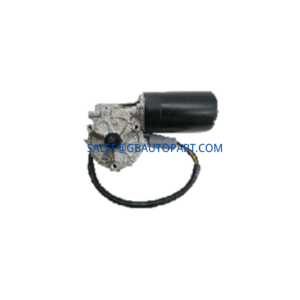
While this component is designed for durability, proactive maintenance and correct installation procedures are paramount to realizing its full operational life.
The Installation Process: A Technician’s Perspective
Replacing the Chevrolet Menlo EV 26214611, particularly if it is part of the TMS, requires a trained professional. The EV high-voltage system presents inherent safety risks that must be managed by certified technicians.
- Safety First: Before any work commences, the vehicle’s high-voltage circuit must be safely de-energized, following the manufacturer’s lock-out/tag-out procedure.
- Coolant Management: If the component is a coolant control valve, a portion of the thermal management system fluid must be drained and correctly disposed of or recycled.
- System Bleeding: After the new Chevrolet Menlo EV 26214611 part is installed, the system must be meticulously bled to remove any air pockets. Air bubbles can severely compromise the efficiency of the thermal transfer process, leading to localized overheating and potential system failure.
- Diagnostic Verification: Post-installation, the technician connects a diagnostic tool (often a scan tool) to verify that the new part is communicating correctly with the BMS and that all system parameters (like temperature readings and valve actuations) are within the specified operational tolerances.
Common Failure Modes and Diagnostic Indicators
Owners and technicians should be alert for common indicators of failure related to this system. A malfunctioning Chevrolet Menlo EV 26214611 typically manifests through dash warnings or a measurable decline in performance.
- Range Degradation: A primary indicator is a noticeable, sudden drop in the vehicle’s estimated driving range, especially in extreme weather conditions, signaling that the battery is not being conditioned efficiently.
- Persistent Trouble Codes: Modern diagnostic systems register specific error codes (DTCs) related to sensor out-of-range readings or valve control circuit failures. Codes relating to the TMS should immediately prompt an inspection of the 26214611 component.
- Charging Issues: Inability to initiate or maintain a high-speed DC fast charge can often be attributed to a thermal safety lockout, triggered by a fault in the thermal control loop, potentially involving this critical part.
The Future of EV Component Sourcing and Sustainability
The focus on components like the Chevrolet Menlo EV 26214611 highlights a broader trend in the automotive parts industry: a transition toward specialized, high-tech components. The demand for reliable parts will only increase as EVs age. Reputable suppliers play a key role in the circular economy by providing genuine parts that extend the life of these sophisticated vehicles, promoting sustainability by avoiding premature vehicle retirement.
This detailed examination confirms that the Chevrolet Menlo EV 26214611 is a mission-critical part. Its integrity directly underpins the vehicle’s safety, efficiency, and battery lifespan. For parts users, the choice is clear: investing in a certified, high-quality replacement is the most responsible and economically sound decision for maintaining the high standards of the Chevrolet Menlo EV. By prioritizing parts with confirmed reliability, owners effectively safeguard the high-tech investment that their electric vehicle represents.
Frequently Asked Questions (FAQ)
Q: Where is the Chevrolet Menlo EV 26214611 typically located in the vehicle?
A: This component is integrated into the vehicle’s Thermal Management System (TMS). Depending on its exact function (sensor or valve), it is most likely situated near the battery pack cooling lines or adjacent to the power electronics cooling circuit. Access typically requires professional knowledge due to the complexity of the cooling loop.
Q: Can I use a universal or cross-referenced part instead of the Chevrolet Menlo EV 26214611?
A: It is strongly advised against using generic parts for critical EV components. The 26214611 is precision-engineered for the specific electrical and thermal parameters of the Chevrolet Menlo EV. Generic parts may not communicate correctly with the BMS, leading to system failure, and potentially compromising the safety and lifespan of the high-voltage battery.
Q: What is the estimated service life of the Chevrolet Menlo EV 26214611?
A: As an OEM-grade component, it is designed for a long service life, often matching the expected life of the vehicle itself. However, external factors such as exposure to contaminated coolant, extreme operating environments, or electrical faults can shorten its lifespan. Regular maintenance and professional inspection of the cooling fluid are recommended.
Q: Is the replacement of the Chevrolet Menlo EV 26214611 covered under the EV battery warranty?
A: This depends on the specific terms of your vehicle’s warranty. Components directly related to the high-voltage system, which often includes the Thermal Management System, are frequently covered. Always consult the official Chevrolet warranty documentation or contact an authorized service center for definitive confirmation before undertaking repairs.