


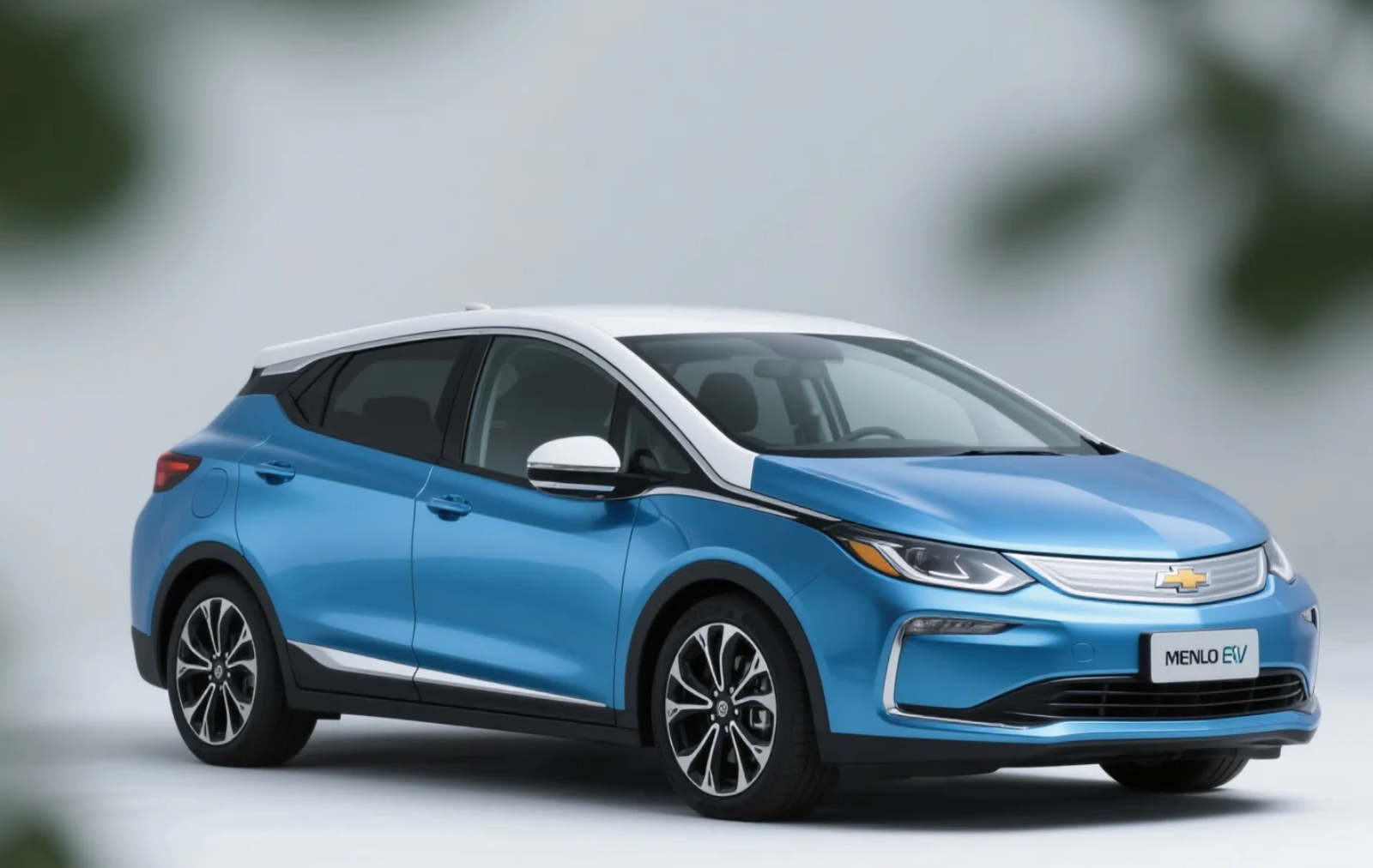
The transition to electric mobility has fundamentally redefined automotive engineering, shifting focus from complex internal combustion engines (ICE) to sophisticated battery, motor, and control systems. For professionals and serious enthusiasts in the auto parts industry, understanding the intricacies of these new components is paramount. This in-depth article will analyze the critical component identified by the product number Chevrolet Menlo EV 26230563, providing essential insight into its function, significance within the vehicle’s architecture, and implications for maintenance and the aftermarket.
The Chevrolet Menlo EV 26230563 is more than just a sequence of digits; it represents a vital piece of the advanced engineering within one of General Motors’ key electric vehicle offerings. The Chevrolet Menlo EV, a compact wagon tailored for the dynamic Chinese market, relies on a network of high-tech components for its performance and impressive range, and the part identified by the number Chevrolet Menlo EV 26230563 is central to that sophisticated operation. Given its complex numerical structure, it is highly probable that this part belongs to the vehicle’s power electronics or thermal management ecosystem—two areas where precision components are essential for safety and efficiency.
The Indispensable Role of Chevrolet Menlo EV 26230563 in EV Architecture
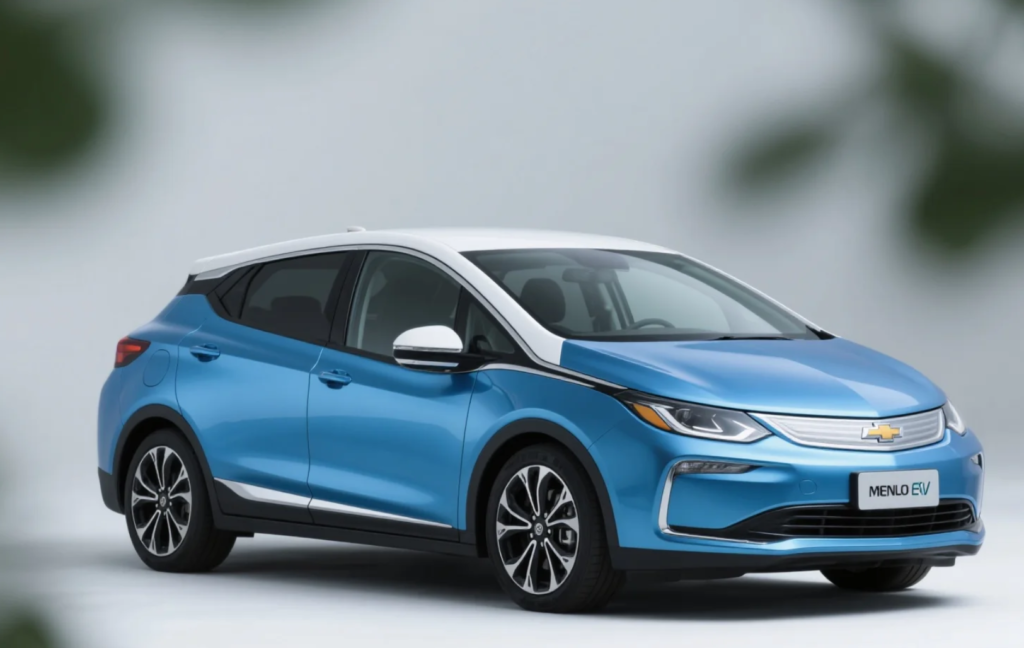
To fully appreciate the importance of the Chevrolet Menlo EV 26230563, one must consider the operational demands of a modern Battery Electric Vehicle (BEV). Unlike traditional cars, BEVs require precise management of high-voltage power and rigorous temperature control. Therefore, the Chevrolet Menlo EV 26230563 is likely a core element that facilitates one of these critical functions:
1. Power Electronics Integration
In an EV, power electronics manage the flow of energy between the high-voltage battery, the electric motor, and the auxiliary systems. This system includes the inverter (which converts DC battery power to AC for the motor) and the DC-DC converter (which steps down high voltage for the 12V accessories). The Chevrolet Menlo EV 26230563 could easily be a crucial module or sub-assembly within the inverter or a high-voltage distribution unit (HVDU).
- Functionality: If this is an electronics component, its primary role is the precise and instantaneous control of electric current. Consequently, it is responsible for the motor’s torque output and the regenerative braking process, directly influencing the vehicle’s driving dynamics and energy recapture efficiency. A fault in this single component would severely compromise or completely halt the vehicle’s propulsion system.
2. Advanced Thermal Management System (TMS)
The long-term health, safety, and performance of an EV battery are fundamentally tied to its operating temperature. Both the battery pack and the power electronics generate significant heat, and managing this thermal load is critical. The Chevrolet Menlo EV features battery packs of up to 61.1 kWh, which demand a robust TMS.
- Potential as a TMS Component: The Chevrolet Menlo EV 26230563 might be a specialized sensor, a high-pressure valve, or a circulating pump within the thermal loop. For example, it could be the control unit for the coolant flow that ensures the battery cells remain within their optimal temperature range (typically 20 °C to 35 °C). Maintaining this thermal equilibrium is directly linked to the car’s range and battery longevity. Indeed, the consistent operation of the EV is entirely dependent on such temperature regulation.
Defining Characteristics and Technical Integrity
| 26225439 | 26375839 | 26214611 | 26699013 |
| 26345001 | 26345002 | 26214618 | 26214612 |
| CLCML-0001 | 26270617 | 26270616 | 26214619 |
| 26230562 | 26230563 | 26298644 | 26307976 |
| 26299539 | 26262116 | 26230569 | 26296421 |
| 26239258 | 26301297 | 26301298 | 26230570 |
| 26325134 | 26325135 | 26222793 | 90923487 |
| 26292653 | 26292652 | 26230592 | 26222794 |
| 26267404 | 26215990 | 26313256 | 26312680 |
| 26268671 | 26268672 | 26393230 | 26215988 |
| 26313291 | 26313292 | 26676791 | 26393231 |
| 26379675 | 26379674 | 26379676 | 26283684 |
| 26350302 | 26676790 | 26284253 | 26331463 |
| 26396836 | 26286275 | 26382003 | 26314760 |
When sourcing and stocking parts like the Chevrolet Menlo EV 26230563, aftermarket users and distributors must prioritize technical integrity and adherence to Original Equipment (OE) specifications.
The Importance of OE-Level Specification
Due to the sensitive nature of EV power systems, any replacement component must perfectly match the original part’s characteristics. This is a non-negotiable aspect of quality assurance. The manufacturing of the Chevrolet Menlo EV 26230563 involves:
- Material Science: Utilization of specialized materials, such as robust plastics or non-corrosive alloys, is required to withstand the high thermal and electrical stresses unique to an EV environment.
- Precision Engineering: Components in the power train are often sealed units or complex modules. Therefore, precise fitment and connector compatibility are essential to maintain the integrity of the high-voltage system and ensure protection from environmental factors. The intricate design of the original Chevrolet Menlo EV 26230563 dictates that any replacement must adhere to extremely tight tolerances.
Furthermore, the component will inevitably contain proprietary software or calibration data. When a replacement is installed, proper integration into the vehicle’s central control unit (ECU) is crucial; otherwise, it is simply a non-functional piece of hardware. Therefore, the genuine value provided by the Chevrolet Menlo EV 26230563 replacement comes from its ability to seamlessly communicate with the rest of the car’s digital network.
Application Focus in the Aftermarket Ecosystem

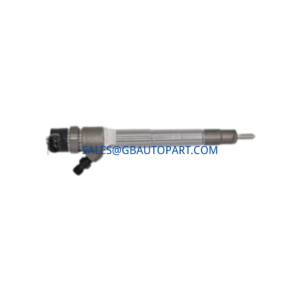
The Electric Vehicle Parts and Components Market is experiencing significant growth, projected to exceed $830 billion by 2035. This market expansion underscores the increasing demand for high-quality aftermarket solutions for parts like the Chevrolet Menlo EV 26230563.
Sourcing and Quality Assurance for Users
For workshops and parts users, the availability of a dependable replacement for the Chevrolet Menlo EV 26230563 is vital for rapid, effective vehicle servicing. As the Chevrolet Menlo EV ages, the demand for service and repair components naturally increases.
- Mitigating Downtime: Due to its potential role in the main drive system, a faulty Chevrolet Menlo EV 26230563 means an immobile vehicle. Consequently, a reliable supplier network that can provide a high-quality, certified replacement part quickly translates directly into reduced vehicle downtime and increased customer satisfaction.
- Safety and Longevity: The integrity of high-voltage components is directly tied to vehicle safety. Inferior substitutes risk thermal runaway, short circuits, and system failure. Consequently, users are strongly advised to source parts that carry explicit quality certifications, confirming they meet or exceed the original equipment standards for the Chevrolet Menlo EV 26230563. This ensures the continued operational safety and reliability of the vehicle.
A Forward-Looking Perspective on Value
The overall value proposition of the Chevrolet Menlo EV 26230563 extends beyond simple replacement cost. It resides in its contribution to the EV’s core principles: sustainability and efficiency. By providing a reliable component, the aftermarket supports the vehicle’s extended lifecycle, maximizing the return on the owner’s investment in electric mobility. A professional approach to parts provision, emphasizing quality and technical accuracy, ultimately upholds the positive value and integrity of the electric vehicle service industry.
The future of automotive repair is inextricably linked to digital diagnostics and precision component replacement. Therefore, the procurement and installation of sophisticated units like the Chevrolet Menlo EV 26230563 must be approached with the utmost professional diligence. Ultimately, the correct Chevrolet Menlo EV 26230563 is the key to maintaining the high performance and reliability that electric vehicle owners expect.
Frequently Asked Questions (FAQ)
Q1: What is the most likely function of the Chevrolet Menlo EV 26230563?
A: Based on the critical needs of a BEV and the typical part numbering conventions for complex systems, the Chevrolet Menlo EV 26230563 is most likely a core module within the vehicle’s Power Electronics (e.g., Inverter/Converter) or the Advanced Thermal Management System. Its function would be to precisely control high-voltage power flow or regulate temperatures for the battery and motor.
Q2: Why is sourcing an OE-equivalent replacement for the Chevrolet Menlo EV 26230563 critical?
A: Replacing this component with an OE-equivalent part is crucial because it often interacts directly with high-voltage systems and the vehicle’s control software. An inferior part could lead to serious performance issues, reduced range, battery degradation, or even a safety risk due to incompatibility or substandard materials. Only certified replacements guarantee proper fit, function, and electronic communication.
Q3: How does the Chevrolet Menlo EV 26230563 affect vehicle range?
A: If the Chevrolet Menlo EV 26230563 is part of the thermal management system, its failure would prevent the battery from operating at its optimal temperature. Consequently, this leads to a sharp decrease in battery efficiency, resulting in significantly reduced driving range. If it is a power electronics component, it affects the efficiency of power delivery to the motor, similarly impacting range.