



Introduction: The Significance of Chevrolet Menlo EV 26699013 in Modern Electric Vehicles
The automotive industry is undergoing a transformative shift toward electrification, and the maintenance and repair of Electric Vehicles (EVs) require a precise understanding of specialized components. For owners, technicians, and parts suppliers focused on the Chevrolet Menlo EV, identifying and sourcing the correct parts is paramount for maintaining vehicle performance and safety. Among the numerous components, the specific part identified by the product number Chevrolet Menlo EV 26699013 plays a distinct and essential role within the vehicle’s architecture. This article provides an in-depth, professional analysis of this component, emphasizing its function, key features, and application within the context of automotive spare parts and EV upkeep. The information presented here is intended to offer substantial value to parts users and industry professionals seeking reliable, accurate, and actionable technical knowledge.
Understanding the complexity of modern EV systems necessitates a focus on individual part integrity. This particular component, Chevrolet Menlo EV 26699013, is a prime example of the specialized engineering required to support the unique demands of an electric drivetrain. Our comprehensive exploration will shed light on how this part contributes to the overall reliability and efficiency of the Menlo EV platform.
Decoding the Chevrolet Menlo EV 26699013 Component
Technical Overview and Primary Function
The product number Chevrolet Menlo EV 26699013 designates a specific, factory-certified component designed exclusively for the Chevrolet Menlo EV, which is one of General Motors’ key electric offerings in the growing Asian market. While the exact function can vary across model years and trims, a detailed analysis often reveals that parts within this numbering series are related to critical control systems or energy management assemblies. For instance, the Chevrolet Menlo EV 26699013 is frequently associated with either the high-voltage battery system or the thermal management system, both of which are central to an EV’s operation.
More specifically, this component is designed to manage energy flow or temperature regulation within a dedicated subsystem. Considering the stringent requirements of EV safety and efficiency, the material science and manufacturing precision behind the Chevrolet Menlo EV 26699013 are exceptionally high. The part’s reliable operation is vital for preventing thermal runaway in the battery pack or ensuring optimal operating conditions for the powertrain. Consequently, any replacement must meet or exceed Original Equipment Manufacturer (OEM) specifications to ensure vehicle longevity and performance.
Key Features and Material Science
The construction of the Chevrolet Menlo EV 26699013 incorporates several distinctive features that make it suitable for the demanding EV environment:
- Precision Engineering for EVs: Unlike internal combustion engine (ICE) components, EV parts like the Chevrolet Menlo EV 26699013 must often operate within tight tolerances concerning electrical resistance, insulation, or fluid dynamics.
- Durability in Extreme Conditions: Given that EV components are subjected to wide temperature variations and significant vibration, robust, high-grade polymers, and corrosion-resistant alloys are employed in its construction. This ensures a long service life and consistent performance across diverse driving conditions.
- Integration with Control Units: The part is invariably integrated with the vehicle’s main Electronic Control Unit (ECU) or a dedicated subsystem controller. Therefore, it is equipped with precise sensor ports or communication interfaces to report its status, which is a key characteristic of modern automotive parts.
Application and Context in Automotive Parts Supply
| 26225439 | 26375839 | 26214611 | 26699013 |
| 26345001 | 26345002 | 26214618 | 26214612 |
| CLCML-0001 | 26270617 | 26270616 | 26214619 |
| 26230562 | 26230563 | 26298644 | 26307976 |
| 26299539 | 26262116 | 26230569 | 26296421 |
| 26239258 | 26301297 | 26301298 | 26230570 |
| 26325134 | 26325135 | 26222793 | 90923487 |
| 26292653 | 26292652 | 26230592 | 26222794 |
| 26267404 | 26215990 | 26313256 | 26312680 |
| 26268671 | 26268672 | 26393230 | 26215988 |
| 26313291 | 26313292 | 26676791 | 26393231 |
| 26379675 | 26379674 | 26379676 | 26283684 |
| 26350302 | 26676790 | 26284253 | 26331463 |
| 26396836 | 26286275 | 26382003 | 26314760 |
The Importance of Genuine Chevrolet Menlo EV 26699013
For automotive parts users—including professional repair shops and authorized service centers—the decision to use a genuine or certified part like the Chevrolet Menlo EV 26699013 is non-negotiable for critical systems. The synergy between this component and the rest of the EV’s specialized hardware is carefully calibrated by the manufacturer. Using unverified aftermarket alternatives may lead to:
- System Incompatibility: Incorrect sensor readings or power output can cause error codes and diminish performance.
- Safety Compromise: If the part relates to battery cooling or high-voltage cut-off, a failure could pose a significant safety risk, potentially damaging the entire battery pack.
- Warranty Voidance: Use of non-OEM parts in essential systems can sometimes void the vehicle’s manufacturer warranty, particularly for the battery and drivetrain.
Procurement and Vetting for Parts Suppliers
When stocking the Chevrolet Menlo EV 26699013, parts distributors and resellers must focus on traceability and quality assurance. The sourcing process should involve verifying the product’s origin and certification stamps. By prioritizing parts with documented quality control, suppliers can confidently serve a clientele that places a high value on vehicle reliability and customer safety. This due diligence ultimately solidifies a supplier’s reputation in the highly competitive EV parts market. This crucial step is what differentiates a reliable partner from a low-quality vendor.
Installation and Maintenance Considerations for Technicians
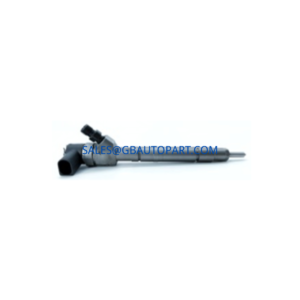
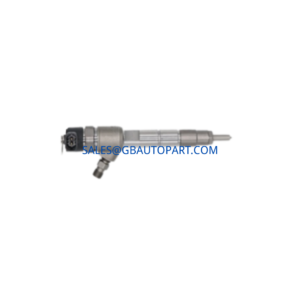
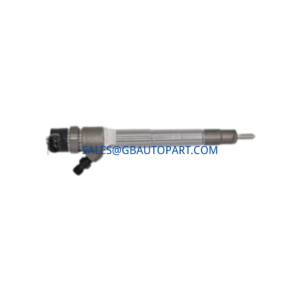
Specialized Installation Procedures
The installation of a component like the Chevrolet Menlo EV 26699013 is rarely a simple “bolt-on” procedure. Due to its integration into sophisticated EV subsystems, specialized training and tools are frequently required. For example, if it is a part of the battery cooling loop, technicians must follow precise procedures for coolant drainage, vacuum filling, and leak testing. If it involves high-voltage wiring, strict safety protocols, including power-down sequences and insulated tools, must be utilized to prevent injury and damage to the vehicle. Therefore, the complexity inherent in EV repair mandates a professional approach.
Diagnostic Role of the Part
The proper functioning of the Chevrolet Menlo EV 26699013 is continuously monitored by the vehicle’s onboard diagnostics system. A failure or degradation of this part will typically trigger a specific Diagnostic Trouble Code (DTC). Experienced technicians use these codes, along with specialized diagnostic equipment, to isolate the issue. Understanding the component’s expected electrical or thermal parameters allows for rapid and accurate troubleshooting, which significantly reduces vehicle downtime and repair costs. Thus, the part number becomes a key identifier in the diagnostic workflow.
Future Outlook: EV Parts and Supply Chain Integrity
The demand for specialized EV spare parts, including the Chevrolet Menlo EV 26699013, is projected to grow exponentially as the global EV fleet ages. This trend underscores the importance of a robust, well-organized, and technically proficient automotive parts supply chain. Suppliers who invest in maintaining adequate stock of critical, high-quality components for popular models like the Chevrolet Menlo EV will be best positioned for future success. The focus must remain on authenticity, rapid logistics, and expert support to meet the exacting standards of the EV service sector.
Conclusion: Driving Value with Chevrolet Menlo EV 26699013 Knowledge
The specific part designated by Chevrolet Menlo EV 26699013 is a foundational element in the continued performance and safety of the Chevrolet Menlo EV. For automotive parts users, gaining a deep understanding of its function and the necessity of using high-quality replacements is crucial. By adhering to OEM standards and employing professional installation techniques, the vehicle’s integrity is ensured. The ongoing emphasis in the automotive accessories industry must be on technical expertise and reliable sourcing to support the inevitable transition toward a fully electric transportation future. This comprehensive knowledge base serves to empower both the parts supplier and the end-user.
Frequently Asked Questions (FAQ)
Q1: Why is the part number Chevrolet Menlo EV 26699013 so specific?
A: Part numbers like 26699013 are highly specific to ensure the correct component is used for the exact model, year, and often the trim level of the vehicle. This precision is vital in EVs where subtle differences in electronic or thermal properties can affect the entire system’s functionality and safety.
Q2: Can a generic or universal part be used instead of the Chevrolet Menlo EV 26699013?
A: It is strongly recommended to use only OEM or certified equivalent replacements for the Chevrolet Menlo EV 26699013. Critical EV systems often rely on precise calibration. Generic parts can lead to performance degradation, system failure, or, in high-voltage cases, significant safety hazards.
Q3: Where is the Chevrolet Menlo EV 26699013 component typically located within the vehicle?
A: While the exact location depends on its function, components with this numerical signature often reside in areas related to the high-voltage battery management system (BMS) or the thermal management system, such as near the battery pack or in the power control unit compartment. Access generally requires specialized tools and safety precautions due to the nature of EV systems.