


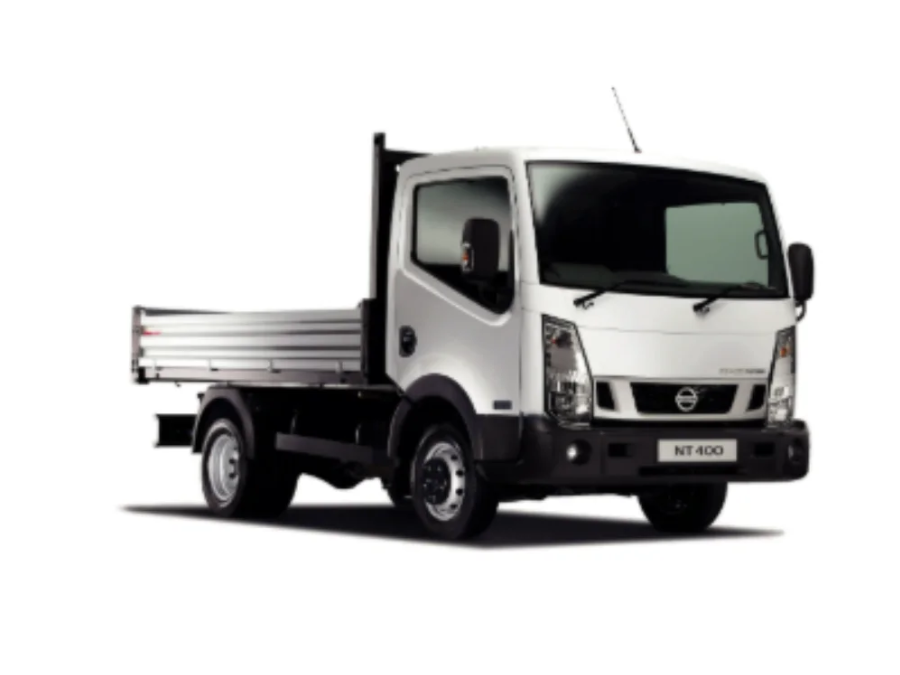
Introduction: The Enduring Legacy of the Nissan Cabstar
The light commercial vehicle (LCV) market demands a delicate balance of reliability, efficiency, and robustness. Few vehicles encapsulate this combination as effectively as the Nissan Cabstar. Since its introduction, the Nissan Cabstar has cemented its position as a global workhorse, prized by logistics companies, construction firms, and small businesses alike for its versatility and dependable performance. This forward-control light truck has undergone numerous iterations, yet its core identity—a reliable, compact, and highly maneuverable vehicle—remains unchanged.
For auto repair shops, fleet managers, and spare parts suppliers, understanding the intricacies of the Nissan Cabstar is not merely helpful; it is absolutely crucial. The longevity of a vehicle like the Nissan Cabstar directly translates to a consistent and substantial demand for high-quality replacement parts. This comprehensive guide will transition from a general overview to a deep dive into the most critical components and systems, offering practical, professional value to those who maintain and service these essential commercial trucks. We will explore the common challenges, necessary maintenance schedules, and the specific parts that ensure the Nissan Cabstar maintains its operational excellence on roads worldwide. Our focus remains squarely on delivering actionable insights for the automotive aftermarket professional.
The Genesis and Evolution of the Nissan Cabstar Platform
The history of the Nissan Cabstar (also known as the Nissan Atlas or Nissan Homer in some markets) is a fascinating journey spanning decades of engineering refinement. Developed by Nissan, the vehicle was specifically engineered to thrive in demanding urban environments where accessibility and payload capacity are paramount. Its signature “cab-over-engine” design provides unparalleled visibility and a remarkably tight turning radius, which are non-negotiable features for navigating congested city streets and tight loading docks.
The Cabstar’s evolution showcases a commitment to adapting to stricter emissions standards and incorporating modern safety features while preserving its utilitarian core. Early generations established the framework, focusing on mechanical simplicity and ruggedness. Later models introduced more sophisticated engine management systems, improved ergonomics, and greater attention to driver comfort without sacrificing payload potential. Key generational shifts often correlate with changes in drivetrain components, braking systems, and powertrain configurations, directly impacting the spare parts inventory required for servicing. Professionals must correctly identify the specific generation and model year when sourcing parts to ensure perfect fitment and system compatibility, a vital step that prevents costly downtime and repair errors.
Core Drivetrain Components: The Heart of the Cabstar’s Endurance
| 16546-2DB0A | 15209-2W200 | 16460-2DB0A | 16400-2DB0A | 26060-MC00A | 26555-MC00A |
| 26550-MC00A | 96302-MC00A | 96301-MC00A | 62320-MC00A | 80607-MC00A | 80606-MC00A |
| A7251-C996A | 34413-MC000 | 36402-MC000 | 14512-MA70A | 56100-MC000 | 56210-MC00B |
| 44060-MC01J | 40206-MC010 | 30210-EA200 | 30610-MB400 | 30620-MB900 | 30502-69F10 |
| 32862-MB40A | 13201-2DB0A | 11098-2DB0A | 13202-2DB0A | 11099-2DB0A | 13213-2DB0A |
| 12280-2DB0A | 13231-2DB0A | 13510-2DB0A | 12279-2W201 | 11044-2DB0A | 11065-2DB0A |
| 49110-MC00A | B1010-2DB0A | 21060-2DB0A | 21486-JG30A | 23300-2DB0A | 92600-MC00A |
| 14411-2DB1A | 14461-2DB0A | 21411-MC00A | 12200-2DB0A | 12100-2DB0A | 12310-2DB0A |
| 12312-2DB0A | 22630-2DB0A | 21305-2DB0A | 11039-2DB0A | 11009-2DB0A | 23710-2DB0A |
| 10102-2DB0A | 25260-MB40A | 32005-21U1B | 22680-7S000 | 25540-MB40A | 13001-2DB1A |
| 26010-MC00A | 26160-MB40A | 26510-MC00A | 62010-MC00A | 80671-3W40A | 80670-3W40A |
| 48510-MC025 | 40014-MD90A-R | 38310-07T01 | 44060-3T025 | 43206-MA76B | 30100-MC00A |
| 32010-MC00A | 12033-2DB1A | 12010-2DB0A | 13207-2DB0A | 12111-2DB0A | 12207-2DB0A |
| A0101-2DB0A | 16600-2DB4A | 12124-2DB0A | 11720-2DB0A | 21200-2DB0A | 23100-2DB0A |
| 92110-MC00A | 14710-MA70A | 16118-MA70A | 25240-4M40E | 11750-2DB0A | 13001-2DB0A |
| 48750-0M010 | 24813-MA77A | 25010-MB40 | 40015-MD90A-L | 13081-2DB0A |
The engine and transmission form the operational backbone of the Nissan Cabstar, and their sustained health is paramount to fleet profitability. The Cabstar has utilized a variety of robust diesel and, occasionally, gasoline engines, each demanding specific maintenance protocols and replacement components.
Engine Systems and Critical Parts
The diesel engines, renowned for their high torque output and fuel efficiency, are subject to high operational stress. Regular replacement of high-wear items is essential.
- Fuel Injection System: Diesel engines rely heavily on precise fuel delivery. Components like the fuel injectors, fuel pump (both lift and high-pressure variants), and fuel filters are common replacement items. Deterioration here directly impacts engine performance and fuel economy. Quality control on injector replacements is non-negotiable.
- Cooling System: Given the heavy loads often carried, the cooling system components—the radiator, water pump, thermostat, and associated hoses—require regular inspection. Overheating is a primary cause of major engine failure.
- Engine Maintenance Kits: The demand for oil filters, air filters, and timing belt/chain kits is constant. Using original equipment manufacturer (OEM) quality or equivalent aftermarket parts guarantees the prescribed maintenance intervals can be reliably met.
Transmission and Clutch Assemblies
The Cabstar is typically equipped with manual transmissions built for commercial durability.
- Clutch Kits: Due to constant stop-start driving, particularly in distribution and delivery applications, the clutch plate, pressure plate, and release bearing wear out at predictable intervals. A complete clutch kit is a high-demand item for any parts supplier.
- Gearbox Components: While less frequent, the need for replacement synchros, shafts, or seals does arise. Accurate diagnosis is vital before a transmission overhaul is undertaken.
Chassis and Suspension: Managing the Payload and Handling
The Cabstar’s design prioritizes payload capacity, which places significant demands on its chassis and suspension components. Maintaining these systems ensures safe operation and load stability.
- Leaf Springs and Shock Absorbers: The rear suspension often features heavy-duty leaf springs designed to handle substantial weight. Leaf spring shackles, bushings, and U-bolts are subject to fatigue and corrosion. Simultaneously, the shock absorbers must be regularly checked for leaks and reduced dampening performance, which affects control and driver comfort.
- Steering Linkage: Its excellent maneuverability depends on a well-maintained steering system. Common replacement parts include tie rod ends, ball joints, and the drag link. Play in these components compromises handling and tire life.
Braking System Reliability: A Non-Negotiable Safety Feature
In a commercial vehicle, the braking system’s integrity is a critical safety and regulatory requirement. The Nissan Cabstar utilizes a robust combination of disc and drum brakes, often incorporating a load-sensing proportioning valve (LSPV) to optimize braking force based on the vehicle’s load.
- Wear Items: The highest demand is for brake pads and brake shoes, followed by rotors and drums. Using appropriate, high-specification friction materials is crucial to ensure maximum stopping power under full load.
- Hydraulics: Components such as the brake master cylinder, wheel cylinders (for drum systems), and caliper assemblies (for disc systems) must be periodically inspected for leaks and functionality. Brake fluid flushes are an essential preventative maintenance service.
- ABS and Stability Control: Modern Cabstar variants are equipped with ABS (Anti-lock Braking System) components. The ABS sensors (or wheel speed sensors) are sometimes prone to damage or contamination, leading to diagnostic issues and requiring replacement.
Electrical and Lighting Systems: Keeping Operations Visible and Compliant
As a working vehicle, the electrical system of the Nissan Cabstar is subjected to constant use, often including auxiliary equipment.
- Starting and Charging: The starter motor and alternator are vital for operational continuity. Failures here lead to immediate vehicle downtime. Quality, warrantied remanufactured units are a popular and cost-effective option for many fleets.
- Lighting and Signalling: Commercial compliance requires fully functional lighting. The replacement rate for headlamp assemblies, tail lights, and marker lamps remains high due to minor collisions and bulb failure. The wiring harnesses and various fuses/relays also demand occasional attention.
Focusing on Aftermarket Quality and Value Proposition
The professional automotive market operates under twin pressures: maximizing vehicle uptime and minimizing maintenance costs. For the Nissan Cabstar, the aftermarket parts sector offers a vast array of choices.
- The Value of OEM vs. Aftermarket: While Original Equipment Manufacturer (OEM) parts guarantee fit and performance, high-quality aftermarket equivalents provide a compelling cost advantage without compromising safety or durability. Auto professionals look for suppliers who can authenticate the quality and manufacturing standards of their non-OEM parts, particularly for structural or safety-critical components.
- Inventory Management: Suppliers specializing in the Nissan Cabstar recognize that quick availability is as valuable as the part itself. A professional parts operation maintains deep inventory levels of high-frequency components—filters, belts, brake parts, and common engine seals—to immediately support fleet managers and repair shops, thereby significantly reducing vehicle downtime. This focus on immediate fulfillment defines a superior service provider.
The Right Value Proposition for Auto Parts Users
For those in the spare parts domain, providing value means more than just supplying a component. It involves offering deep product knowledge, precise cross-referencing capabilities, and competitive pricing. The goal is to be a reliable partner that understands the rigorous demands placed on the Nissan Cabstar and its components. Suppliers who can offer technical documentation, installation guidance, and reliable warranty support distinguish themselves in a crowded marketplace. This emphasis on partnership and quality assurance drives recurring business and strengthens the supply chain.
Conclusion: Securing the Future of the Nissan Cabstar Fleet
The Nissan Cabstar remains an irreplaceable asset in light commercial transportation worldwide. Its continued service life is a testament to its fundamental design quality and the dedicated support of the automotive aftermarket industry. For auto parts professionals, specializing in the Cabstar platform offers a stable, high-volume market opportunity. By focusing on quality, ensuring stock availability of critical drivetrain and suspension components, and offering expert guidance, service providers can play a vital role in keeping these essential workhorses performing at their peak efficiency. The emphasis should always be on providing parts that enhance the longevity and reliability of the vehicle, underscoring a commitment to lasting value for every fleet owner and independent garage.
Frequently Asked Questions (FAQ)
What are the most common high-wear parts on a Nissan Cabstar?
The parts with the highest replacement frequency are generally consumables and friction materials: fuel filters, air filters, oil filters, brake pads and shoes, and complete clutch kits. Given the commercial application, suspension components like leaf spring bushings and shock absorbers also see high wear rates.
How can I ensure I am ordering the correct Nissan Cabstar parts?
Always reference the vehicle’s Vehicle Identification Number (VIN), which is crucial for cross-referencing. The VIN allows professional suppliers to precisely match the part to the correct engine variant, year of manufacture, and regional specifications, mitigating the risk of incorrect ordering.
Is it safe to use aftermarket parts for the Nissan Cabstar?
Yes, provided the parts are sourced from reputable suppliers who guarantee their products meet or exceed OEM specifications for fitment and material quality. For safety-critical systems, such as braking and steering, the quality of the aftermarket part must be verifiable and certified.
What is the typical service life of a Cabstar clutch assembly?
The service life of a clutch kit is highly dependent on the vehicle’s operating conditions, particularly the driver’s habits and the frequency of stop-start city driving. In typical light commercial use, a clutch can last anywhere from 60,000 to over 150,000 kilometers. Fleet operations that primarily use the vehicle for high-frequency urban delivery will see shorter life spans.