


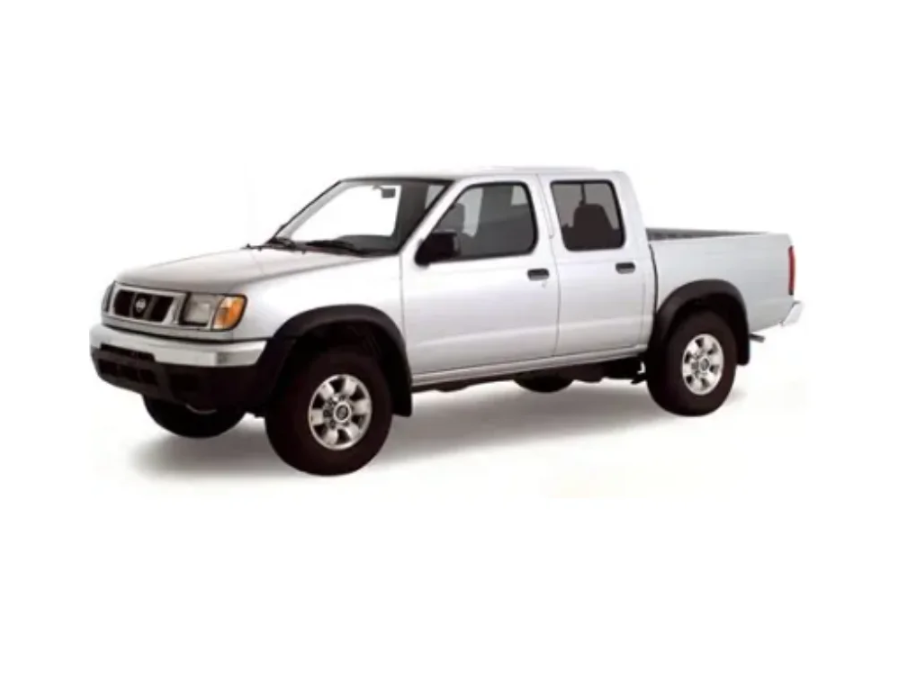
The Enduring Legacy of the Nissan D22 Pickup
The Nissan D22, also widely recognized as the Nissan Navara, Frontier, or NP300 in various global markets, stands as a testament to reliability and rugged design in the light commercial vehicle segment. Introduced in the mid-1990s, this pickup truck quickly cemented its reputation as a workhorse, prized by tradespeople, off-road enthusiasts, and fleet operators alike. It is, therefore, crucial for owners and professionals in the automotive parts industry to possess a profound understanding of the D22’s core systems, particularly when sourcing replacement or performance-enhancing components.
The vehicle’s long production run, extending well into the 21st century, means that a vast and constant demand exists for quality auto parts. This enduring popularity is directly linked to its simple, robust architecture, which facilitates relatively straightforward maintenance and repair. Consequently, the focus in the auto parts sector for the Nissan D22 is often on the longevity, reliability, and precision fitment of aftermarket and OEM-equivalent components. Furthermore, the selection of superior components significantly influences the vehicle’s operational efficiency and safety profile.
Core Characteristics and Design Philosophy
The design philosophy behind the Nissan D22 centered on maximizing utility and minimizing downtime. This utilitarian approach has a direct bearing on the parts required for its upkeep. As a result, components were engineered for endurance rather than complexity.
Powertrain and Engine Component Focus
The D22 was offered with a diverse range of petrol and diesel engines across its production span, including the popular ZD30, QD32, KA24DE, and TD27 units. Each engine type dictates a specific set of required maintenance parts. For engine longevity, components such as high-grade oil filters, air filters, and fuel filters are fundamental. These simple parts play a disproportionately large role in protecting the engine from contaminants.
- Diesel Engines: These versions, often utilized for heavy-duty tasks, require particular attention to the turbocharger system components, glow plugs, and fuel injection pumps/injectors. When servicing, only parts manufactured to strict OE specifications should be used to maintain optimal combustion efficiency and prevent premature wear. High pressure within the common rail systems necessitates exceptionally robust seal and pump assemblies.
- Petrol Engines: Maintenance typically revolves around the ignition system (spark plugs, coils, and leads) and ensuring the cooling system (water pump, radiator, and hoses) is free from blockage or leaks. This proactive approach significantly reduces the risk of overheating. Importantly, the correct specification of oxygen sensors is paramount for managing emissions and fuel economy.
Chassis and Suspension: The Backbone of Durability
One of the Nissan D22’s standout characteristics is its body-on-frame construction. This design ensures exceptional torsional rigidity and durability, which are vital for a vehicle expected to carry heavy loads or navigate challenging terrain. The maintenance of this ruggedness is heavily reliant on the quality of its chassis and suspension components.
- Suspension Parts: Critical wear items include shock absorbers, leaf springs (especially for the rear axle), and control arms. When replacing these parts, upgrading to heavy-duty variants is a common practice for vehicles regularly subjected to maximum payload capacity. This modification is frequently requested by commercial users to enhance stability.
- Steering System: The precise, yet robust, steering mechanism relies on functional tie rod ends, ball joints, and power steering pump components. Regular inspection of these parts is essential for safe vehicle operation. Any discernible slack must be addressed immediately with quality replacement units to preserve steering responsiveness.
Essential Auto Parts Categories for the Nissan D22 Owner

| 10101VJ089 | 13202VJ200 | 13201VJ200 | 120335V110 |
| A20105V111 | 56200-25G00 | 54502-2S400 | 54503-2S400 |
| 48510-2S485 | 40240-01N00 | 44060-28N25 | 41060-31E02 |
| 1211153F00 | 1226140F00 | 56110-25G00 |
For those servicing or maintaining the Nissan D22, procurement of parts falls into several key categories. The selection of the right components directly impacts the vehicle’s safety, performance, and overall lifespan. Consideration of environmental factors, such as extreme heat or cold, should also influence material choice.
| Category | Key Replacement Components | Value Proposition to the User |
| Braking System | Brake pads, rotors, calipers, master cylinder | Ensures driver safety and reliable stopping power, especially when loaded or towing. |
| Drivetrain | Clutch kits, CV joints, drive shafts, differential gears | Maintains reliable power delivery and vehicle mobility under varying conditions. |
| Electrical | Alternators, starter motors, battery terminals, wiring harnesses | Guarantees reliable starting and function of all essential onboard systems. |
| Body/Trim | Headlights, tail lights, mirrors, fender flares, grilles | Crucial for legal compliance, safety, and maintaining vehicle aesthetics and aerodynamics. |
Focusing on the Braking System, for instance, is paramount. The braking capability of the Nissan D22, a vehicle frequently used for towing or heavy hauling, is continuously stressed. Using high-quality ceramic or metallic brake pads and wear-resistant rotors provides a considerable margin of safety and extended service life. The entire system must be meticulously maintained to avoid catastrophic failure.
The Role of Precision Fitment in Nissan D22 Component Replacement
The successful installation and long-term performance of any auto part depend significantly on its fitment precision. This is especially true for the D22, where many parts, particularly those related to the body and internal engine components, are interchangeable across different market names (Navara/Frontier/NP300) but may vary subtly by manufacturing year or specific engine code. The smallest variance in mounting points can render an expensive part unusable.
Consequently, precise cross-referencing using VIN (Vehicle Identification Number) data is a critical step in the procurement process. An incorrectly sized gasket, for example, can lead to immediate and costly engine failure, while a poorly fitting body panel can compromise the vehicle’s structural integrity and aesthetics. Parts suppliers must ensure their inventory data is meticulously cataloged to prevent such errors. Furthermore, the use of quality materials in manufacturing replacement parts is non-negotiable; cheap or substandard metal alloys often lead to premature failure in high-stress areas like suspension links or engine mounts. Suppliers who provide detailed compatibility matrices are highly valued by professional users.
Future-Proofing the Nissan D22: Maintenance and Upgrade Philosophy
While the Nissan D22 is an established model, its maintenance strategy should look toward future performance. Many owners choose to upgrade rather than simply replace components, which presents a significant market opportunity for performance parts suppliers. This practice not only restores the vehicle but often enhances its original capabilities.
Performance Upgrades Often Sought:
- Heavy-Duty Suspension: For enhanced off-road capability and managing increased payload and towing demands.
- Performance Clutch Kits: To handle increased torque from engine modifications and demanding terrain.
- LED Lighting Conversions: To drastically improve nighttime visibility and reduce electrical system load.
In conclusion, the Nissan D22 represents a significant and stable segment of the global automotive aftermarket. Its reputation for being tough and reliable means that parts users are seeking not just low cost, but demonstrable quality and endurance. The parts industry, from manufacturers to distributors, must prioritize offering robust, precisely fitting components that uphold the original design principles of this legendary workhorse. By adhering to this quality-first philosophy, the long-term vitality of the Nissan D22 parts market is assured, providing substantial value to its dedicated user base. This commitment to quality ensures the continued operation of these durable vehicles for years to come.
Frequently Asked Questions (FAQ)
What are the most common engine-related components that fail on the Nissan D22?
A: For the common diesel variants, the fuel pump and turbocharger components (due to heat and stress) are frequent failure points. For petrol models, wear items in the ignition and cooling systems are commonly replaced. Consistent, high-quality oil changes are the best preventative measure, as they mitigate the impact of friction and heat.
Is it better to choose OEM or Aftermarket parts for the Nissan D22 suspension?
A: While Original Equipment Manufacturer (OEM) parts guarantee the original factory fit, many owners choose high-quality aftermarket parts. Aftermarket suspension components are frequently available in heavy-duty or performance-oriented variants, offering superior load capacity or enhanced durability for specific driving conditions, often at a more accessible price point. The choice should be driven by the vehicle’s primary use case and required performance envelope.
How often should the timing belt or chain be replaced on the D22 engines?
A: This is entirely dependent on the specific engine fitted. Engines utilizing a timing belt (e.g., some ZD30 models) have a specific replacement interval, typically between 60,000 to 100,000 kilometers, and this must be strictly adhered to. Engines with a timing chain generally require replacement less frequently, often only when noise or specific symptoms of wear are noted. Always consult the vehicle’s service manual for the exact specifications for your engine code, as manufacturer recommendations are definitive.