


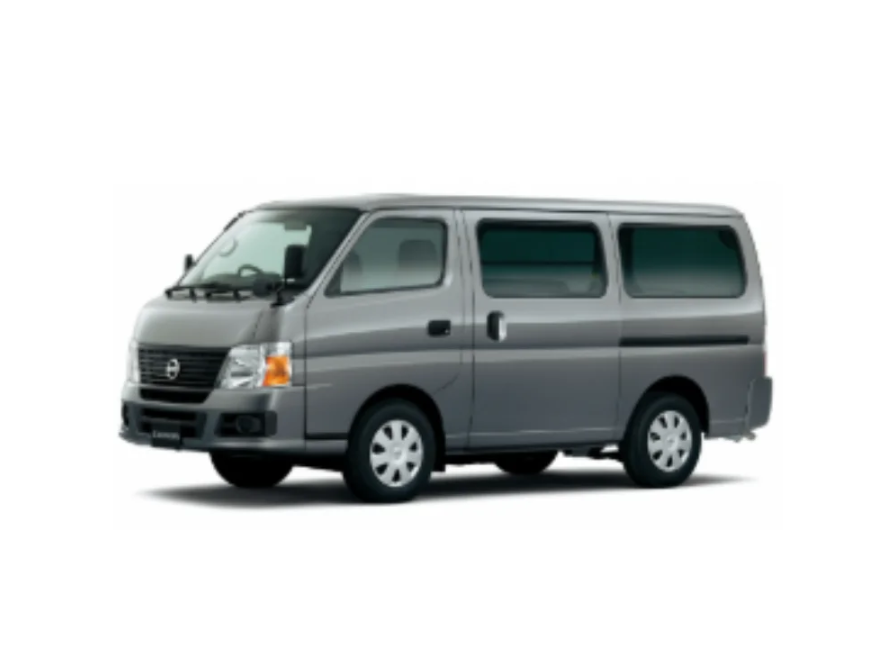
Introduction: The Enduring Legacy of the Nissan E25
The Nissan E25 series, known internationally as the Nissan Caravan or Nissan Urvan, stands as a testament to durability and utility within the commercial vehicle sector. Produced from 2001 to 2012, this versatile light commercial van quickly established itself as a rugged workhorse across various global markets, particularly in Asia, the Middle East, and parts of Africa. Its reputation is built on a foundation of reliability and a robust, simple design, which translates directly to manageable maintenance and a consistent demand for high-quality replacement parts. Consequently, a deep understanding of the Nissan E25‘s mechanical architecture and its specific auto parts requirements is absolutely critical for both vehicle owners and auto parts suppliers. This comprehensive guide is designed to provide auto parts users and professionals with an invaluable resource, focusing specifically on the components that ensure the long-term operational integrity and performance of the Nissan E25.
A Deep Dive into the Nissan E25 Platform
Key Characteristics and Design Philosophy
The Nissan E25 was engineered with a clear mandate: maximum cargo or passenger capacity combined with minimal downtime. Its cab-over-engine configuration maximizes interior space, which is a key advantage for logistics and shuttle services. Furthermore, the fundamental design prioritizes accessibility for routine servicing. The engines, though often mid-mounted to optimize weight distribution and cabin space, were designed for straightforward part replacement, a significant benefit for mechanics globally. The focus on durability ensures that while regular maintenance is necessary, the core structure remains sound, making it a sustainable option for businesses.
Powertrain Components: The Heart of the Workhorse
The engine options available for the Nissan E25 were varied, predominantly featuring the robust KA24DE (2.4L Petrol), QR20DE/QR25DE (2.0L/2.5L Petrol), and the heavy-duty ZD30DD/ZD30DDTi (3.0L Diesel) units. Each powertrain mandates specific parts considerations:
- ZD30DDTi Diesel: This turbocharged unit is renowned for its torque, making it ideal for heavy-duty applications. However, this engine requires meticulous attention to its turbocharger assembly, EGR valve components, and high-pressure fuel injection system parts—specifically the injectors and fuel filter. Regular replacement of high-quality oil filters and ensuring the use of manufacturer-recommended oil viscosity is paramount to protecting the turbocharger bearings from premature wear. Due to the high heat generated by diesel combustion, the cooling system components, such as the radiator and thermostat, must be of the highest quality to prevent overheating.
- KA/QR Series Petrol: These engines are generally simpler and less prone to complex faults. Maintenance primarily revolves around the ignition system, including spark plugs, ignition coils, and wires, as well as the timing chain or belt components. The reliability of the cooling system, including the radiator hoses and water pump, is particularly vital for cab-over designs where heat dissipation can be a challenge. Ensuring the proper function of the Mass Air Flow (MAF) sensor is also crucial for maintaining optimal fuel efficiency and engine performance.
Crucial Parts for Safety and Performance: Suspension and Braking Systems
| 12033VW211 | 12010VW200 | 132012W20A | 132022W200 |
| 121112W20A | 11044VC101 | 10101VW227 | 11039VX20B |
| 12207MA70A | 122802W21A | 122792W201 |
In a commercial vehicle like the Nissan E25, which frequently operates under heavy loads or on challenging terrain, the chassis and associated safety systems are continuously subjected to immense stress. Consequently, sourcing reliable, durable suspension and braking components is not merely a preference but an operational necessity. These systems directly impact driver confidence and the safety of the cargo or passengers being transported.
Suspension and Steering System Integrity
The stability and load-carrying capability of the Nissan E25 directly depend on its suspension system.
- Shock Absorbers and Struts: Over time, especially when consistently carrying heavy cargo, the original shock absorbers will inevitably wear down, impacting ride quality and, more importantly, vehicle control. Replacing these with high-grade, heavy-duty aftermarket equivalents is a common and necessary upgrade. This helps mitigate body roll and improves stability during cornering or emergency maneuvers.
- Bushings and Mounts: The van’s handling and noise isolation are significantly affected by the condition of the suspension bushings (e.g., anti-roll bar bushes) and engine/transmission mounts. Cracked or perished rubber mounts will lead to excessive vibration and steering looseness. The frequent replacement of these rubber components is an inexpensive way to restore the vehicle’s original comfort and handling characteristics.
- Steering Linkage: Due to its robust steering setup, the Nissan E25 requires regular inspection of tie rod ends and ball joints. Components with excessive play must be replaced promptly to preserve steering precision and prevent catastrophic failure. A well-maintained steering system is foundational for safe operation, especially when the van is fully laden.
The Vital Role of the Braking System
Brakes on the Nissan E25 must handle considerable weight and momentum. This necessitates the use of premium friction materials and robust hydraulic parts to ensure short stopping distances and long service life.
- Brake Pads and Rotors (Discs): High-quality, heat-resistant brake pads and rotors are essential. For fleet use, semi-metallic or ceramic compounds are frequently chosen for their improved performance under high thermal stress and reduced brake dust. Selecting components designed for commercial use, often featuring larger cooling vanes or specialized material blends, is advisable.
- Hydraulic Components: Attention must be paid to the brake master cylinder, wheel cylinders, and calipers. Leaks or worn caliper seal rebuild kits compromise the entire braking system’s integrity and require immediate replacement. The brake fluid itself also needs routine flushing, as contaminated or old fluid can degrade internal seals and lead to braking inefficiency.
Common Wear and Tear Items: Focusing on Longevity
Beyond the major systems, several high-turnover parts are critical for day-to-day operation and preventative maintenance of the Nissan E25. Maintaining these items proactively minimizes unexpected breakdowns and keeps the vehicle operational.
- Clutch Kits and Transmission Parts: For manual transmission models, the clutch kit (pressure plate, clutch disc, and release bearing) is a frequently replaced item, particularly in vehicles used for stop-and-go city driving or heavy towing. Opting for components that exceed OEM specifications for durability is a prudent investment. Furthermore, regular checks of the transmission oil seals and gear linkage bushes prevent more expensive transmission repairs down the line.
- Electrical and Lighting Components: Given the van’s age and its exposure to varied climates, issues with the electrical system are common. High-quality alternators, starter motors, and blower motor resistors are in constant demand. A malfunctioning resistor, for example, can disable the cabin heating and cooling fan speeds, a significant comfort and safety issue. Furthermore, the integrity of the van’s exterior lighting, including headlamp assemblies and tail lights, is vital for compliance and road safety, often requiring replacement due to lens degradation or socket corrosion.
- Body and Trim: The Nissan E25 is prone to rust in specific areas, especially around the wheel arches, door sills, and lower body panels. Replacement parts such as door handles (both interior and exterior), mirror assemblies, and minor body panels are essential for maintaining the vehicle’s appearance and functional closure mechanisms, thereby preventing further deterioration. Body integrity is not just cosmetic; it protects the vehicle’s electrical and internal structures from the elements.
The Nissan E25 in the Auto Parts Ecosystem
The longevity and widespread global presence of the Nissan E25 have created a stable and active aftermarket parts ecosystem. The key to success for parts distributors and auto repair shops is the provision of parts that meet a critical balance of quality, compatibility, and competitive pricing. This market requires a professional, value-driven approach.
- Quality Certification and Material Science: When selecting replacement parts, priority must be given to components that are certified (e.g., ISO/TS 16949 or equivalent). This verification guarantees that the part has been manufactured to a professional standard, ensuring correct fitment and reliable performance, which is especially important for critical items like suspension and braking parts. The material composition, whether it’s specialized rubber for seals or high-strength steel for chassis parts, is a non-negotiable factor in determining part lifespan.
- Compatibility and Cross-Referencing: Given that the Nissan E25 was sold under different names (Caravan, Urvan, Isuzu Como) and featured multiple engine variants over its production run, careful cross-referencing of OEM numbers is absolutely essential before placing an order. A small difference in the year or engine code can dictate a completely different part, such as a unique oil filter type, a slightly different radiator design, or variations in electrical connectors. Utilizing precise part-locating systems prevents costly errors and delays.
Conclusion: Sustaining the Nissan E25 Workhorse
The Nissan E25 remains an economical and reliable choice for commercial and personal transportation worldwide. Its continued viability in a modern fleet is heavily dependent on timely, informed maintenance supported by a steady supply of high-quality automotive components. By focusing on the structural, powertrain, and safety-critical parts outlined above, auto parts users can ensure that this reliable van continues to serve its purpose for many years to come, confirming its status as a highly maintainable and enduring commercial vehicle. Investing in certified, robust replacement parts is not just an expense; it is a strategic decision that maximizes uptime and reduces the total cost of ownership for any Nissan E25 operator.
Frequently Asked Questions (FAQ) for the Nissan E25
What are the most common reliability issues associated with the diesel engine (ZD30DDTi)?
The ZD30DDTi engine is generally reliable but can be sensitive to overheating and poor maintenance. Common issues are often related to the turbocharger, the EGR valve, and the timing chain components. Regular, high-quality oil changes and cooling system checks are the best preventative measures to avoid these common faults.
Are parts interchangeable between the Nissan Caravan and Nissan Urvan (E25)?
Yes, in most cases, the Nissan E25 platform (Caravan/Urvan) shares the same core mechanical and body parts, especially within the same production year range. However, slight variations may exist based on the specific market or local regulatory requirements (e.g., LHD vs. RHD parts, different engine specifications). Always cross-reference the specific OEM part number.
What are the best parts to upgrade for better performance under heavy load?
For vehicles frequently carrying heavy loads, the primary upgrades should focus on: Heavy-duty shock absorbers/struts to enhance stability and control. Premium brake pads and rotors for improved heat resistance and stopping power. Reinforced clutch kits for manual transmission models to prevent premature slippage.
How often should the timing components be checked on the KA/QR petrol engines?
While the KA and QR series generally use a robust timing chain system, it is advisable to inspect the timing chain tensioners and guides every 100,000 to 150,000 kilometers. Any abnormal rattling noise from the engine should prompt an immediate inspection of these components to prevent costly engine damage.