


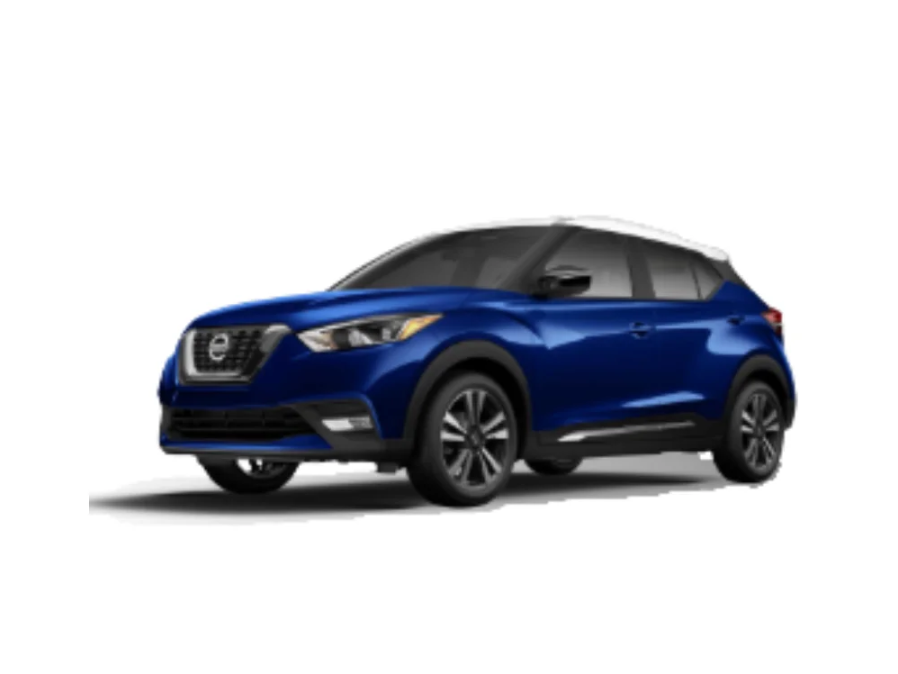
Introduction: Understanding the Nissan Kicks and its Component Needs
The Nissan Kicks, a stylish and practical subcompact crossover, has quickly established itself as a popular choice for urban drivers and small families since its introduction. Known for its fuel efficiency, agile handling, and modern design, the vehicle is an accessible entry point into the crossover segment. For owners and automotive enthusiasts, understanding the core components and their maintenance is paramount, not only for longevity but also for optimizing performance and safety. This in-depth guide is specifically tailored for the automotive parts user, offering valuable insights into the essential components of the Nissan Kicks, from routine service parts to performance-enhancing upgrades. A focus on quality replacement parts is essential to maintain the vehicle’s integrity, ensuring that every drive remains as smooth and reliable as the day it was purchased.
The Core Powertrain: Engine and Transmission Components
The heartbeat of the Nissan Kicks is its efficient powertrain, which typically features a naturally aspirated engine mated to a Continuously Variable Transmission (CVT). The proper functioning of these two major systems is directly reliant on the quality of their associated parts.
Engine Components Critical for Routine Service
Regular maintenance is non-negotiable for engine health. Key service parts that must be periodically inspected and replaced include:
- Oil Filters: A high-quality oil filter is essential for removing contaminants from the engine oil. Inferior filters can compromise oil cleanliness, leading to premature engine wear. It is generally recommended that the filter be replaced with every oil change.
- Air Filters: The engine air filter protects the intake system from dust and debris. A clean filter ensures optimal air-fuel mixture, directly impacting fuel economy and horsepower. Replacement intervals often depend on driving conditions, with dusty environments requiring more frequent checks.
- Spark Plugs: These igniters are crucial for starting the combustion process. Over time, spark plugs degrade, leading to misfires, reduced fuel efficiency, and hesitant acceleration. Using the correct OEM or equivalent specified plugs is extremely important for the engine’s overall health.
- Belts and Hoses: The serpentine belt powers various accessories (alternator, power steering, A/C compressor), while hoses manage fluid circulation (radiator hoses, vacuum lines). These rubber components are susceptible to cracking and degradation and must be checked regularly to prevent catastrophic failure.
Maintaining the CVT: Transmission Fluid and Filter
The Nissan Kicks utilizes a CVT, which offers seamless acceleration and improved efficiency. However, the CVT requires specific maintenance protocols. The transmission fluid is the lifeblood of this complex system, providing lubrication, cooling, and hydraulic pressure.
- CVT Fluid: Unlike traditional automatic transmissions, CVTs use a unique fluid formulation. Using anything other than the manufacturer-specified or equivalent high-grade CVT fluid can lead to judder, overheating, and eventual transmission failure. Fluid changes, though often less frequent than oil changes, are extremely important for the longevity of this sophisticated system.
- Transmission Filter: Certain CVT designs incorporate a filter that should be replaced during a fluid service to ensure all metallic wear particles are removed from the system.
Suspension and Braking: Ensuring Safety and Ride Comfort
| E43025RB0B | E43035RB0B | E62105RB0B | 365305RA0A | 224485RB0A |
| 150105RB0A | 210105RB0A | 620225RB0J | 850225RB1J | 480015RB0A |
| 480015RB0A | 921005RB0A | 110445RB0A | 963015RE0D | 963025RE0D |
| 349355RA1A | 365315RA0A | 13081ED000 | 261508995A | 261558995A |
| 265505RA0B | 265505RA0B | 265505RA0A | 265505RA0A | 215015RB0A |
| 215035RB0A | 623105RB0A | 214105RB0B | 135101KT0A | 122793VA0A |
| D85205RB0A | D86405RB0A | 161195RB0A | 237313LM1A | 255605RB0A |
| 545005RL1A | 545015RL1A | 132015RB0A | 132025RB0A |
The drive quality and safety of the Nissan Kicks heavily depend on the integrity of its suspension and braking systems. These components absorb road imperfections and ensure the vehicle can stop reliably.
Braking System Essentials for the Nissan Kicks
Safety is fundamentally tied to the braking system. These parts are wear-and-tear items that require ongoing attention.
- Brake Pads and Rotors: Brake pads are designed to wear down as they clamp against the rotors to slow the vehicle. The rotors, over time, can warp or thin. Selecting high-quality, application-specific brake pads and rotors is crucial for maintaining short stopping distances and preventing brake fade. Performance-grade pads might be chosen by drivers seeking enhanced bite and heat resistance.
- Brake Calipers and Fluid: The calipers house the pads and actuate the braking mechanism. Brake fluid transmits the pressure from the pedal to the calipers. The fluid is hygroscopic (absorbs moisture) and must be periodically flushed and replaced to prevent corrosion of internal braking components.
Suspension Components: Handling and Stability
The suspension system of the Nissan Kicks is designed to balance comfort and responsive handling.
- Shock Absorbers and Struts: These components dampen spring oscillations, keeping the tires in contact with the road. Worn struts lead to a bouncy ride, reduced handling, and uneven tire wear. Replacement struts restore the vehicle’s original ride height and handling characteristics.
- Control Arms and Bushings: The control arms connect the wheel assembly to the vehicle frame. The bushings within them isolate road noise and allow controlled movement. Worn bushings are a common source of clunking noises and vague steering.
Electrical and Lighting: Modern Features and Visibility
The electrical system of the Nissan Kicks supports its modern infotainment, safety features, and, critically, the vehicle’s visibility.
- Battery and Alternator: The 12V battery provides the initial power to start the engine, while the alternator recharges the battery and powers the electrical system when the engine is running. When starting difficulties arise, the battery’s condition should be the first item checked.
- Headlights and Exterior Lighting: Proper lighting is a safety imperative. The Nissan Kicks utilizes various bulb types (Halogen, LED) for its headlamps, taillights, and turn signals. Using replacement bulbs that meet the correct specification ensures optimal light output and beam pattern for safe night-time driving.
Enhancing Your Nissan Kicks with Aftermarket Accessories
Beyond essential maintenance, many owners look to the aftermarket for parts that can enhance the aesthetics, utility, or performance of their vehicle. This area is particularly relevant for the parts-focused user.
- Performance Air Intake Systems: While the Nissan Kicks is not a sports car, a high-flow cold air intake can slightly improve throttle response and provide a more engaging engine sound by allowing the engine to breathe more efficiently.
- Custom Wheels and Tires: Upgrading wheels can drastically change the vehicle’s appearance. When selecting custom wheels, ensuring the correct offset, bolt pattern, and size is critical to avoid rubbing or fitment issues. Complementary high-performance or all-weather tires can also be chosen to suit specific driving needs.
- Interior and Exterior Accessories: Items like all-weather floor mats, cargo organizers, custom grilles, and protective body kits offer personalization and protection, adding tangible value for the owner.
Conclusion: Value and Longevity through Quality Parts
Maintaining a Nissan Kicks does not have to be a complicated task, provided the owner commits to using quality replacement parts and adhering to a regular service schedule. Every component, from the smallest fastener to the complex CVT filter, plays a role in the vehicle’s overall performance, safety, and reliability. By focusing on genuine or high-quality aftermarket parts—particularly those tailored for the Nissan Kicks—owners ensure that their investment continues to deliver efficient, enjoyable transportation for years to come.
Frequently Asked Questions (FAQ)
What are the most crucial parts to replace to maintain the fuel efficiency of my Nissan Kicks?
A: To maintain optimal fuel efficiency, the most crucial parts for regular replacement are the engine air filter and the spark plugs. A clean air filter ensures the engine gets the right amount of air, and new spark plugs guarantee efficient fuel combustion. Using the correct engine oil and filter is also vital as it reduces friction within the engine.
How often should the CVT fluid be changed in the Nissan Kicks?
A: The fluid change interval for the Continuously Variable Transmission (CVT) in the Nissan Kicks is generally specified in the owner’s manual. Often, it is between 60,000 to 100,000 miles, but this interval must be shortened if the vehicle is frequently driven in severe conditions (e.g., heavy traffic, mountainous terrain, or towing). Only approved Nissan CVT fluid or a high-quality, equivalent fluid must be utilized.
Can I install aftermarket brake pads on my Nissan Kicks, and what is the benefit?
A: Yes, aftermarket brake pads can be installed on your Nissan Kicks. The benefit often lies in choosing a pad compound that offers a different balance of performance than the factory pads. For instance, ceramic pads produce less dust and noise, while semi-metallic pads can offer enhanced stopping power and heat resistance, which is beneficial for heavy use. Ensure the selected pads are specifically rated for your vehicle model.