


Owners of the Nissan NT400 often face challenges with diesel fuel quality. Moisture and particulate matter can enter the fuel tank during refilling or through condensation. These contaminants pose a significant risk to high-pressure common rail systems. The Nissan NT400 16460-2DB0A serves as the primary defense against these hidden threats. This component ensures that only clean, dry fuel reaches the engine combustion chamber. Without a functioning sedimenter, your vehicle risks expensive injector damage and unexpected road failures. Understanding this part is essential for maintaining your truck’s performance and long-term reliability.
What is the Nissan NT400 Fuel Sedimenter Assembly?
The Nissan NT400 Fuel Sedimenter Assembly is a specialized pre-filtration component. It is specifically designed for the ZD30 engine series used in these light commercial vehicles. Its primary role is to remove water from the diesel fuel before it reaches the main filter.
Diesel fuel naturally attracts water, which can lead to microbial growth or rust. This assembly uses gravity and centrifugal force to separate heavier water molecules from the fuel. The water settles at the bottom of the housing for later drainage.
This unit often includes a transparent or semi-transparent bowl and a drain plug. It allows drivers to inspect for water accumulation during daily walk-around checks. Maintaining this assembly prevents the main fuel filter from becoming prematurely saturated with water.
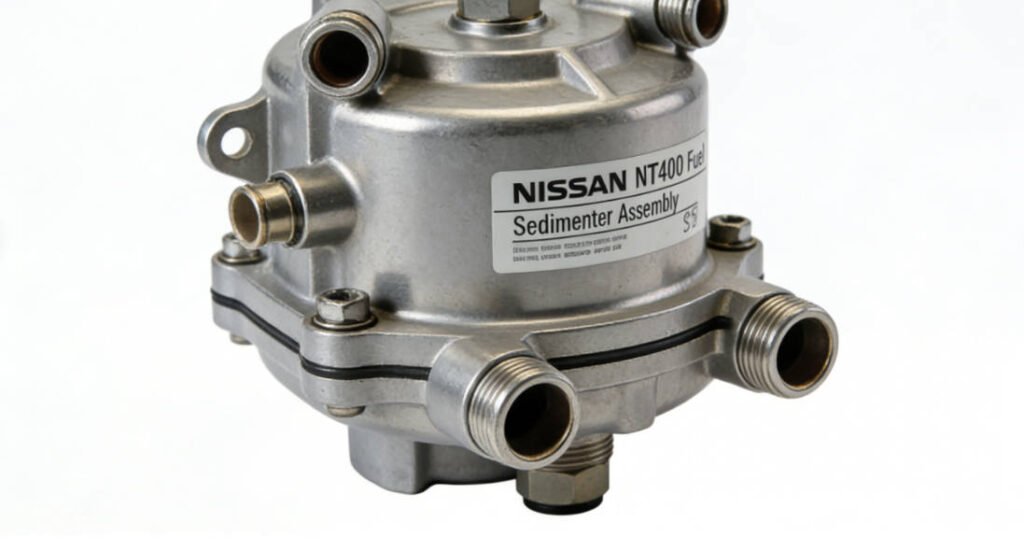
Mechanics of the Nissan NT400 Fuel Strainer
Inside the assembly, the Nissan NT400 Fuel Strainer acts as the first stage of physical filtration. This mesh-like component captures larger debris and rust flakes from the fuel tank. It prevents these large particles from clogging the delicate internal valves of the sedimenter unit.
Importance of the Sedimentation Process
Sedimentation is a passive but highly effective method for protecting modern diesel engines. By allowing fuel to “rest” momentarily within the chamber, contaminants naturally fall out of suspension. This process is vital for adhering to ISO 16332 standards for fuel-water separation.
Identifying the 16460-2DB0A Specific Features
The Nissan NT400 16460-2DB0A model features specific mounting points designed for the NT400 chassis. It includes electrical connectors for the “water-in-fuel” sensor. This sensor triggers a dashboard warning light when the water level reaches a critical point.
Why the Nissan NT400 Oil Water Separator Matters
Modern diesel engines operate under extreme pressures to meet emission standards. The Nissan NT400 Oil Water Separator protects the high-pressure fuel pump from catastrophic lubrication failure. Water in diesel fuel lacks the necessary lubricity for these precision parts.
If water passes through the separator, it can cause metal-to-metal contact within the pump. This leads to the “shaving” of metal particles that then travel to the injectors. Replacing a full set of injectors is significantly more expensive than regular sedimenter maintenance.
Furthermore, water in the fuel system can cause internal corrosion during periods of inactivity. This is particularly problematic for NT400 trucks used for seasonal work or short-haul deliveries. The 16460-2DB0A ensures the system remains dry and free of oxidative damage.
Preventing High-Pressure Pump Failure
The high-pressure pump is the heart of the NT400 fuel system. The Nissan NT400 16460-2DB0A ensures that fuel entering this pump meets strict purity requirements. This prevents the “pitting” of internal surfaces that leads to pressure loss.
Enhancing Fuel Combustion Efficiency
Clean fuel burns more completely, which reduces soot production and DPF clogging. By using a functional Nissan NT400 Fuel Sedimenter Assembly, you improve overall fuel economy. It also helps the vehicle maintain consistent power under heavy loads.
Water-in-Fuel Sensor Integration
The 16460-2DB0A housing typically incorporates a float-style sensor. When the water level rises, the float completes an electrical circuit. This alerts the driver immediately, allowing for a quick drain before damage occurs.
How to Maintain the Nissan NT400 16460-2DB0A
Regular maintenance of the Nissan NT400 16460-2DB0A involves both inspection and periodic replacement. You should drain the water from the sedimenter bowl every 5,000 to 10,000 kilometers. This interval may vary depending on the quality of fuel in your region.
To drain the unit, loosen the plastic plug at the bottom of the assembly. Allow the liquid to flow into a container until pure diesel appears. Always tighten the plug by hand to avoid cracking the plastic housing.
If the internal Nissan NT400 Fuel Strainer becomes visible through the bowl, check for excessive sludge. If the bowl appears stained or the sensor fails to reset, a full assembly replacement is necessary. Using genuine-specification parts ensures the sensor threads and fuel line connectors fit perfectly.
Signs of a Failing Fuel Sedimenter
A common sign of failure is the “water-in-fuel” light staying on after draining. This often indicates a faulty sensor or internal electrical short within the assembly. Another sign is a visible crack in the housing which causes air to enter the fuel lines.
Air Bleeding After Maintenance
After draining or replacing the Nissan NT400 Fuel Sedimenter Assembly, you must bleed the air. Most NT400 models have a primer bulb located on top of the filter housing. Pump this bulb until it feels firm to ensure the engine starts smoothly.
When to Replace the Entire Unit
The plastic components of the Nissan NT400 Oil Water Separator can become brittle over time. If you notice leaks around the seals or sensor port, replacement is the safest option. A leaking sedimenter can lead to “hard starting” or engine stalling during acceleration.
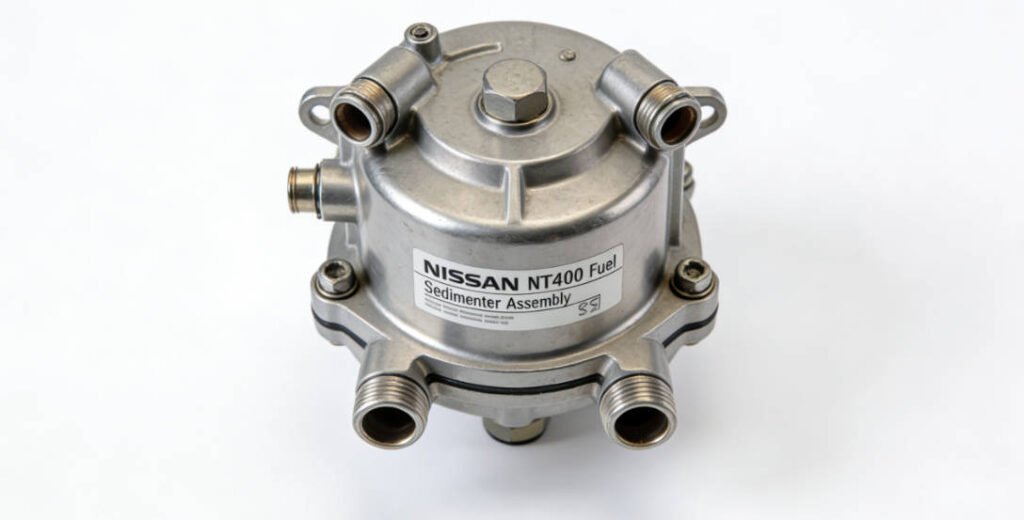
Essential Criteria for Selecting Fuel System Components
Choosing the right components for your Nissan NT400 requires a balance of quality and compatibility. You must verify that the part number matches your specific chassis and engine configuration. Professional fleet managers often prioritize components that meet or exceed original equipment (OE) standards.
When evaluating a Nissan NT400 16460-2DB0A, check the seal quality and housing thickness. Poorly made aftermarket units may fail under the vibration levels typical of commercial trucking. Ensuring a perfect fit prevents fuel leaks that could lead to fire hazards.
Proper maintenance of your fuel system is only one part of total vehicle care. Lubrication systems are equally important for the ZD30 engine’s health. You can find more details in our Nissan NT400 15209-2W200 Oil Filter Guide to ensure your entire maintenance schedule is complete. Integrated care prevents small issues from becoming major repairs.
Conclusion
The Nissan NT400 16460-2DB0A is a fundamental safety component for your diesel engine. By effectively separating water and straining debris, it prevents costly fuel system failures. Regular draining and timely replacement of the Nissan NT400 Fuel Sedimenter Assembly are the best ways to ensure truck uptime.
FAQ
1.What happens if I ignore the water-in-fuel light on my NT400?
Ignoring the light allows water to enter the fuel injectors and high-pressure pump. This can cause the engine to stall or lead to permanent component damage.
2.Is the 16460-2DB0A the same as a fuel filter?
No, it is a sedimenter and water separator that works alongside the main fuel filter. The sedimenter removes water and large debris, while the filter captures microscopic particles.
3.Can I clean the Nissan NT400 Fuel Strainer?
The internal strainer can sometimes be cleaned with fresh diesel if the assembly is disassembled. However, if the mesh is torn or heavily clogged, you should replace the unit.
4.Where is the Nissan NT400 fuel sedimenter located?
It is typically mounted on the vehicle frame, often near the fuel tank or in the engine bay. It is placed before the main fuel filter in the fuel flow path.
Reference Sources
Nissan Global – Official Parts and Maintenance Documentation
SAE International – Fuel Filter Performance Standards
Bosch Mobility – Diesel Fuel Injection Systems Technology