


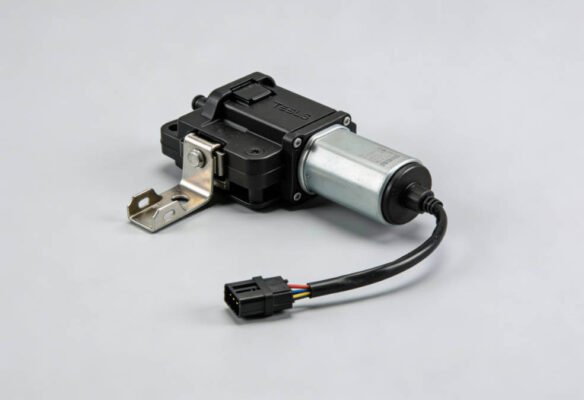
A malfunctioning Tesla Model 3 1033011-00-G latch is more than a minor inconvenience; it is a significant safety risk. Many Tesla owners report issues where the front trunk (frunk) refuses to lock or, more alarmingly, triggers “hood open” alerts while driving. This specific part, the Tesla Model 3 Front Hood Latch Lock, is responsible for both the physical security of the bonnet and the digital signal sent to your vehicle’s computer. If the internal sensor or mechanical catch fails, you may experience ghost notifications or find yourself unable to secure your vehicle. This guide provides a first-person, technical look at why this component is vital for your Model 3’s operational integrity. We will explore the precise specifications of the 1033011-00-G and how to ensure your replacement part meets OEM standards for 2026.
Understanding the Tesla Model 3 1033011-00-G Specifications
The Tesla Model 3 1033011-00-G is a high-precision closure component engineered to withstand the unique aerodynamic pressures of electric vehicles. Unlike traditional internal combustion cars, the Model 3 lacks an engine block to deflect air, making the front hood latch the primary line of defense against wind lift. This part features a dual-stage locking mechanism that ensures the hood stays down even if the primary release is accidentally triggered.
From a technical perspective, the Tesla Model 3 Front Hood Latch Lock is manufactured using high-strength cold-rolled steel. The “G” revision in the part number signifies the latest engineering iteration, often featuring improved corrosion resistance and a more resilient sensor housing. In 2026, maintaining this specific revision is crucial, as earlier versions like 1033011-00-A were subject to recalls due to secondary latch misalignment issues.
Reliability in the Tesla Model 3 1033011-00-G also depends on its electrical integration. The unit includes a specialized wiring harness connector that communicates directly with the Tesla Body Control Module. This allows the car to disable the drive system or limit speed if the latch is not fully engaged. Professional installers prioritize this part because it maintains the vehicle’s active safety protocols without requiring software modifications or drilling.
Troubleshooting Your Tesla Model 3 Front Hood Latch Lock
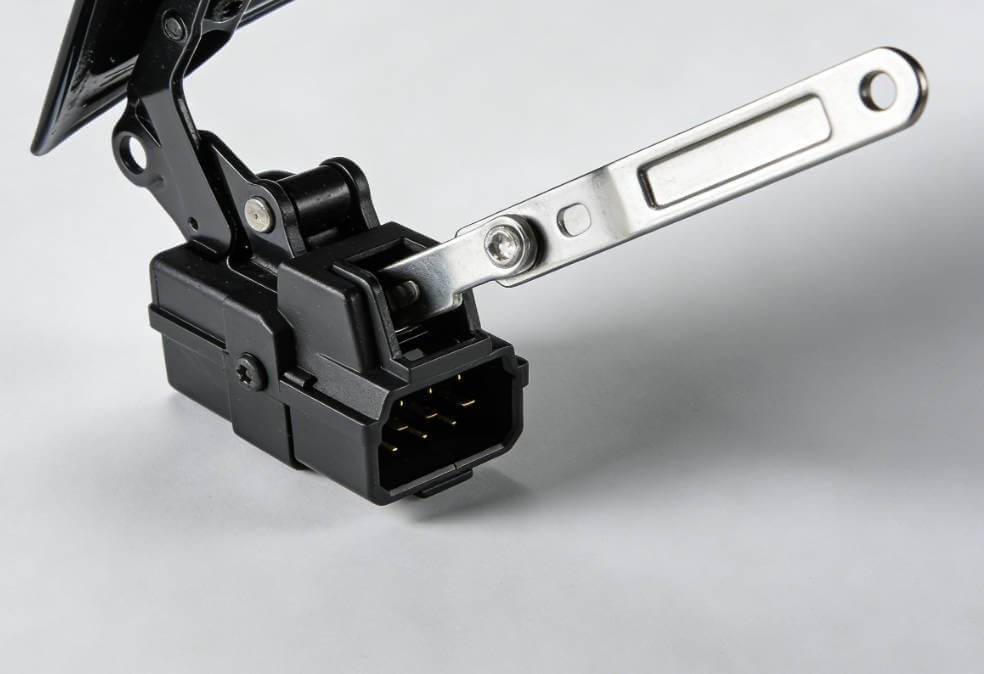
Recognizing a failing Tesla Model 3 Front Hood Latch Lock early can prevent a dangerous “hood fly-up” event on the highway. The most common symptom is the “Frunk Open” warning on the touchscreen despite the hood being visibly shut. This usually indicates that the internal microswitch within the Tesla Model 3 1033011-00-G has shifted or failed due to moisture ingress.
Another red flag is a mechanical “crunching” sound or excessive resistance when trying to close the frunk. Over time, road debris and salt can accumulate in the pivot points of the Tesla Model 3 Front Hood Latch Lock, leading to physical binding. If the latch does not snap back into its default position, the secondary safety catch may not engage, leaving the hood vulnerable to opening at high speeds.
For B2B buyers and fleet managers, monitoring the performance of the Tesla Model 3 1033011-00-G across multiple vehicles is standard practice. Intermittent alerts are often the first sign that the latch assembly is nearing the end of its service life. Replacing the unit before a total mechanical failure occurs is the most cost-effective way to ensure fleet safety and avoid expensive emergency repairs.
Installation and Compatibility of the 1033011-00-G Latch
The Tesla Model 3 1033011-00-G is designed as a direct “plug-and-play” replacement for Model 3 vehicles produced between 2017 and 2023. It is also compatible with specific Model S and Model X revisions, making it a versatile component for Tesla-focused repair shops. When installing a new Tesla Model 3 Front Hood Latch Lock, it is essential to align the striker plate perfectly to ensure smooth engagement.
Proper installation of the Tesla Model 3 1033011-00-G involves removing the front trunk liner and disconnecting the high-voltage safety loop if necessary, depending on your specific model year. Use a 10mm socket to secure the mounting bolts, but avoid over-torquing, as this can distort the latch frame. A misaligned frame will cause the sensor to trip erroneously, leading to the same dashboard warnings you were trying to fix.
Final testing of the Tesla Model 3 Front Hood Latch Lock should include both a physical pull test and a digital verification. After slamming the hood, attempt to lift the corners to ensure the secondary catch is active. Then, check the Tesla mobile app or the in-car display to confirm the “Open” status has cleared. This dual-verification process is the industry standard for ensuring the 1033011-00-G is functioning correctly.
Sourcing Genuine Tesla Body and Closure Components
When your vehicle safety is on the line, choosing the right source for your Tesla Model 3 1033011-00-G is paramount. Many aftermarket options look identical but lack the hardened steel and precise sensor calibration found in genuine units. To maintain your vehicle’s resale value and safety rating, you should always look for a certified Tesla hood latch replacement that lists the correct OEM part number.
A high-quality vendor will provide parts that have been tested for thermal stability and impact resistance. This is especially important for the Tesla Model 3 Front Hood Latch Lock, which is exposed to wide temperature fluctuations and road vibrations. Sourcing from a reputable platform ensures that the “G” revision you receive is not a rebranded earlier model with known defects.
For professional mechanics, speed of delivery and part accuracy are the two biggest factors in customer satisfaction. Having a reliable supplier for the Tesla Model 3 1033011-00-G allows you to turn around frunk-related repairs in under an hour. This efficiency is why the 1033011-00-G remains one of the most frequently stocked closure parts in the Tesla ecosystem.
Summary of Tesla Hood Latch Maintenance
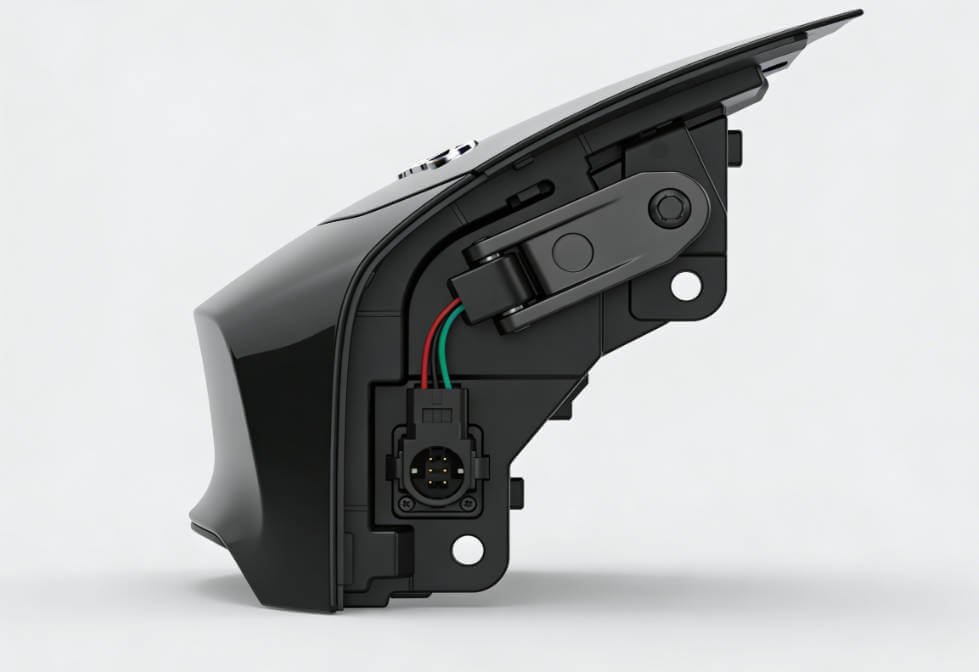
The Tesla Model 3 1033011-00-G is a critical safety component that bridges the gap between mechanical security and digital monitoring. By replacing a faulty Tesla Model 3 Front Hood Latch Lock with the latest “G” revision, you eliminate false alarms and secure your frunk against high-speed wind lift. Always prioritize OEM compatibility and precise alignment during installation to ensure long-term reliability.
FAQ
1. Is the Tesla Model 3 1033011-00-G latch compatible with the Model Y?
No, the Tesla Model 3 1033011-00-G is not compatible with the Model Y. The Model Y uses a different latch configuration, typically part number 1500397-00-E, which features a different actuator pull-ratio and housing design. Always verify your part number against your VIN before purchase to ensure proper fitment and sensor communication.
2. What causes the “Frunk Open” alert even when the hood is closed?
The primary cause is usually a failed micro-switch inside the Tesla Model 3 Front Hood Latch Lock or moisture ingress into the electrical connector. If the sensor cannot confirm a full mechanical lock, the car will trigger an alert as a safety precaution. In some cases, adjusting the height of the Tesla Model 3 1033011-00-G can resolve the issue by ensuring the striker plate makes full contact with the internal sensor.
3. Does the Tesla Model 3 1033011-00-G require a specific torque for installation?
Yes, the mounting bolts for the Tesla Model 3 Front Hood Latch Lock should be tightened to approximately 10 Nm. Over-tightening can distort the metal housing of the Tesla Model 3 1033011-00-G, which may lead to mechanical binding or premature sensor failure. Using a torque wrench ensures that the latch remains secure without compromising its internal mechanical tolerances.
4. How can I manually open the frunk if the electronic latch fails?
If your Tesla Model 3 Front Hood Latch Lock fails to respond to electronic commands, you can use the emergency release cables. On older models, these are often located behind the front tow eye cover. On newer models, you may need to apply a 12V power source to the external jump points to trigger the Tesla Model 3 1033011-00-G release mechanism if the main battery is dead.
5. What is the difference between the “G” revision and earlier versions of the latch?
Reference Sources
Tesla Service Manual – Exterior Closures and Latches
National Highway Traffic Safety Administration (NHTSA) – Tesla Recalls