


The automotive industry is currently undergoing a massive shift toward electrification, and with this transition comes a renewed focus on structural integrity. The Toyota BZ4X Front Anti-collision Beam serves as a primary line of defense in the vehicle’s safety architecture. Unlike traditional internal combustion engine vehicles, electric vehicles like the BZ4X must manage impact energy differently to protect sensitive electronic components and the massive battery pack located beneath the floor. This specific component is not just a piece of metal; it is a highly engineered safety device designed to mitigate damage during a collision. By understanding the function and design of the Toyota BZ4X Front Anti-collision Beam, owners and technicians can better appreciate the complex engineering that keeps modern drivers safe on the road.
The Role of the Toyota BZ4X Front Anti-collision Beam in Modern Engineering
When we discuss vehicle safety, the focus often lands on airbags or electronic braking systems. However, the physical hardware, specifically the Toyota BZ4X Front Anti-collision Beam, is what actually manages the kinetic energy of a crash. This beam is positioned behind the front bumper cover and is the first major structural element to engage during a forward impact. Engineers have designed this component to balance two conflicting goals: extreme rigidity to prevent cabin intrusion and controlled deformation to absorb energy.
-
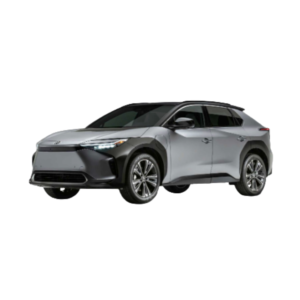
Toyota Bz4x Long Range Pro 044660R010|811500R310|811100R330|815600R130|8713942050|044650R040|817300R060
-
Toyota Bz4x Long Range Pro 424310R060|G23060R020|G23050R020|G23710R020|4853009H80|435120R070
-
Toyota Bz4x Long Range Pro 470500R040|G91600R020|G93900R050|G92250R070|872000R020|CLCML-0005
-
Toyota Bz4x Long Range Pro 521190R937|525360R110|525350R120|815500R130|8760442010|817400R060
The engineering behind the Toyota BZ4X Front Anti-collision Beam involves sophisticated computer modeling and real-world crash testing. Because the BZ4X is built on the e-TNGA platform, the beam must work in harmony with the vehicle’s dedicated electric architecture. In a front-end collision, the beam distributes the force across the longitudinal members of the chassis. This distribution is critical because it prevents the force from concentrating on a single point, which could lead to catastrophic structural failure.
Moreover, the placement of the Toyota BZ4X Front Anti-collision Beam is strategically calculated to align with the heights of other passenger vehicles. This compatibility ensures that in the event of a multi-car accident, the beams engage correctly, maximizing the effectiveness of the energy-absorbing zones. Without a high-quality beam, the impact could bypass the primary safety structures, leading to severe damage to the powertrain components located in the front motor compartment.
High-Strength Material Selection for EVs
One of the most impressive aspects of the Toyota BZ4X Front Anti-collision Beam is the material used in its construction. Traditionally, these beams were made of standard mild steel. However, to meet the weight-saving requirements of electric vehicles while maintaining safety, Toyota utilizes ultra-high-strength steel or advanced aluminum alloys. These materials offer an exceptional strength-to-weight ratio, ensuring that the vehicle remains efficient without compromising the safety of the occupants.
Energy Absorption and Crash Boxes
The Toyota BZ4X Front Anti-collision Beam does not work alone. It is typically connected to the vehicle frame via crash boxes. These boxes are designed to collapse in a predictable, accordion-like fashion during low-speed impacts. This design choice is vital for repairability; in many minor accidents, the crash boxes and the beam absorb all the energy, leaving the main frame of the car untouched. This significantly reduces repair costs and preserves the long-term value of the vehicle.
Precision Manufacturing and Fitment
The manufacturing process for the Toyota BZ4X Front Anti-collision Beam involves precision stamping and robotic welding. This ensures that every beam produced meets the exact tolerances required for the e-TNGA platform. Proper fitment is non-negotiable because even a few millimeters of misalignment can alter how the vehicle responds in a crash. Consequently, when replacing this part after an accident, choosing an OEM-grade component is the only way to ensure the original safety ratings are maintained.
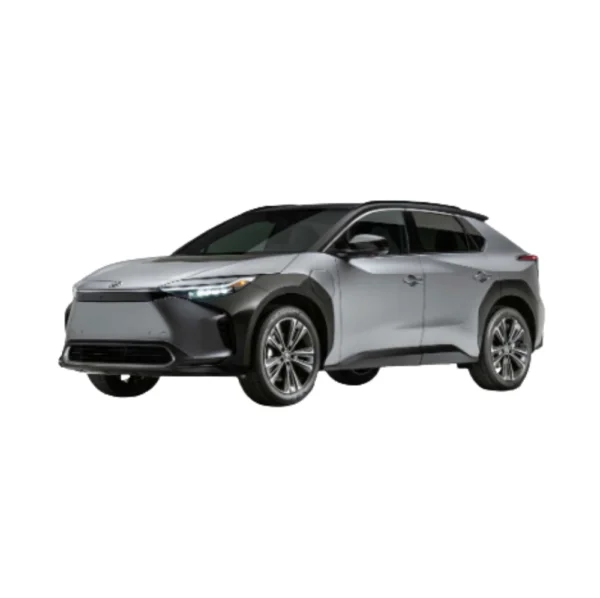
Structural Benefits of the Toyota BZ4X Front Anti-collision Beam
The shift to electric mobility has introduced new challenges for safety engineers. Because EVs are generally heavier than their gasoline counterparts due to the battery, the Toyota BZ4X Front Anti-collision Beam must be capable of handling higher levels of kinetic energy. The beam acts as a shield for the high-voltage cooling system and the front drive motor. If these components are compromised, the risk of electrical faults increases, making the structural integrity of the beam even more critical.
Furthermore, the Toyota BZ4X Front Anti-collision Beam contributes to the overall torsional rigidity of the front end. This rigidity is not only important for safety but also for the vehicle’s handling and steering precision. A solid front structure allows the suspension to work more effectively, providing the driver with a more stable and predictable experience. Therefore, the beam serves a dual purpose: it is a safety component in an emergency and a performance component during daily driving.
In addition to protecting the vehicle’s internal components, the beam is designed with pedestrian safety in mind. Modern safety standards require that the front of the vehicle be “forgiving” in the event of a collision with a person. The Toyota BZ4X Front Anti-collision Beam is positioned and shaped to work with the energy-absorbing foam and plastic of the bumper to minimize injury to pedestrians, reflecting a holistic approach to road safety.
Protecting the High-Voltage Architecture
In the BZ4X, the high-voltage cables and cooling lines are routed with extreme care. The Toyota BZ4X Front Anti-collision Beam is the primary barrier that prevents external objects from penetrating these systems during a crash. By keeping the electrical system intact, the beam helps prevent thermal runaway and ensures that the vehicle’s emergency shut-off systems can function as intended.
Durability and Corrosion Resistance
Given that this part is located at the very front of the vehicle, it is constantly exposed to moisture, road salt, and debris. The Toyota BZ4X Front Anti-collision Beam is treated with advanced anti-corrosion coatings. This protection is essential because rust can weaken the metal over time, significantly reducing its ability to absorb energy. Owners should ensure that after any front-end work, the protective coatings on the beam remain intact.
Impact on Insurance and Total Cost of Ownership
From an economic perspective, the effectiveness of the Toyota BZ4X Front Anti-collision Beam can influence insurance premiums. Insurance companies favor vehicles that perform well in crash tests and are easy to repair after minor incidents. Because this beam is designed to protect more expensive components like the battery and motors, it plays a key role in keeping the total cost of ownership manageable for BZ4X drivers.
| 520210R170 | 521590R928 | 521550R100 | 521560R100 | 531120R400 | 526140R170 |
| 692100A090A0 | 692110R170A0 | 692110R170A0 | 692100A100A0 | 879400R460 | 879100R450 |
| 670040R180 | 670040R190 | 538120R160 | 538110R190 | 670020R170 | 670010R150 |
| CLCML-0001 | 160410Z020 | CLCML-0002 | 4546009450 | 533010R130 | 670050R400 |
| CLCML-0004 | 4852009H60 | 883700R040 | 4851009H70 | 4546009450 | CLCML-0003 |
| 424310R060 | G23060R020 | G23050R020 | G23710R020 | 4853009H80 | 435120R070 |
| 470500R040 | G91600R020 | G93900R050 | G92250R070 | 872000R020 | CLCML-0005 |
| 521190R937 | 525360R110 | 525350R120 | 815500R130 | 8760442010 | 817400R060 |
| 044660R010 | 811500R310 | 811100R330 | 815600R130 | 8713942050 | 044650R040 |
| 817300R060 |
Choosing Quality Replacements for Your BZ4X
When a vehicle is involved in a collision, the Toyota BZ4X Front Anti-collision Beam is often the first part to be damaged. It is a one-time-use component; once it has been bent or stressed in an accident, it cannot be straightened and reused. Its structural integrity is permanently compromised after a single impact. Therefore, high-quality replacement parts are essential for restoring the vehicle to its original safety specifications.
At GB Autopart, we understand that safety is the top priority for any vehicle owner. Providing components that match the original engineering standards is our mission. When looking for a replacement, it is important to verify that the part is designed specifically for the BZ4X’s unique chassis. Using a generic or poorly made beam can lead to fitment issues and, more importantly, a failure to protect the occupants in a future accident.
Moreover, the installation of the Toyota BZ4X Front Anti-collision Beam should be performed by professionals who understand the torque specifications and alignment requirements of the e-TNGA platform. A correctly installed beam ensures that the sensors for the advanced driver assistance systems, such as radar and cameras, are correctly positioned. This highlights the interconnected nature of modern automotive components, where a physical metal beam supports the function of high-tech safety software.
Conclusion
The Toyota BZ4X Front Anti-collision Beam is a cornerstone of the vehicle’s safety system. It represents a perfect blend of material science, structural engineering, and safety philosophy. By effectively managing impact forces and protecting the critical electrical infrastructure of the EV, this beam ensures that drivers and passengers can travel with peace of mind. As vehicles continue to evolve, the importance of robust, well-designed structural components remains unchanged. Whether you are an enthusiast interested in the technical details of your car or an owner needing a replacement part, recognizing the value of the Toyota BZ4X Front Anti-collision Beam is essential for maintaining a safe and reliable vehicle for years to come.
FAQ
Q1: What is the primary function of the Toyota BZ4X Front Anti-collision Beam?
The primary function of this beam is to absorb and distribute kinetic energy during a front-end collision. It protects the vehicle’s engine bay, high-voltage electrical systems, and the cabin by transferring impact forces to the car’s main frame.
Q2: Can a damaged Toyota BZ4X Front Anti-collision Beam be repaired?
No, a damaged anti-collision beam should never be repaired or straightened. These components are designed to deform in specific ways to absorb energy. Once they are compromised, they lose their structural integrity and must be replaced with a new part to ensure safety.
Q3: Why is the Toyota BZ4X Front Anti-collision Beam different from beams in gas cars?
While the concept is the same, the beam for the BZ4X is engineered to handle the higher weight of an electric vehicle. It also specifically focuses on protecting the battery cooling system and high-voltage components, which are not present in traditional gasoline-powered vehicles.